Sarajevo
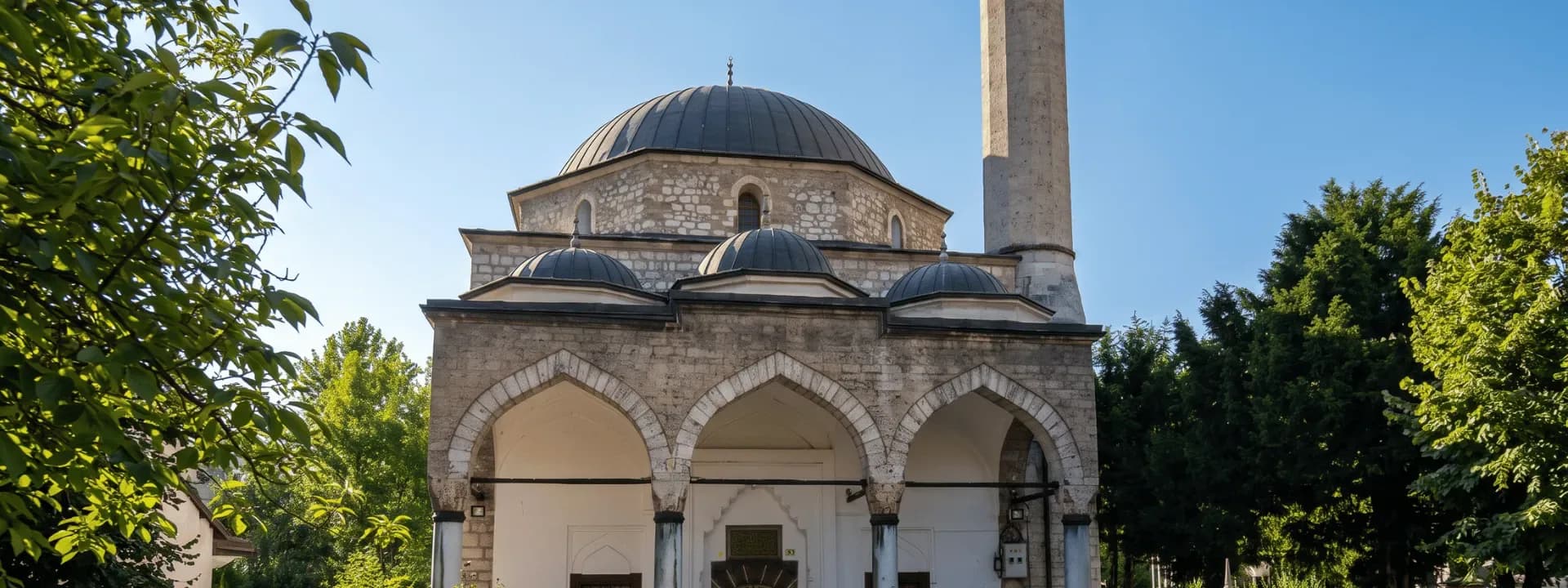
Ali-Pasha’s Mosque
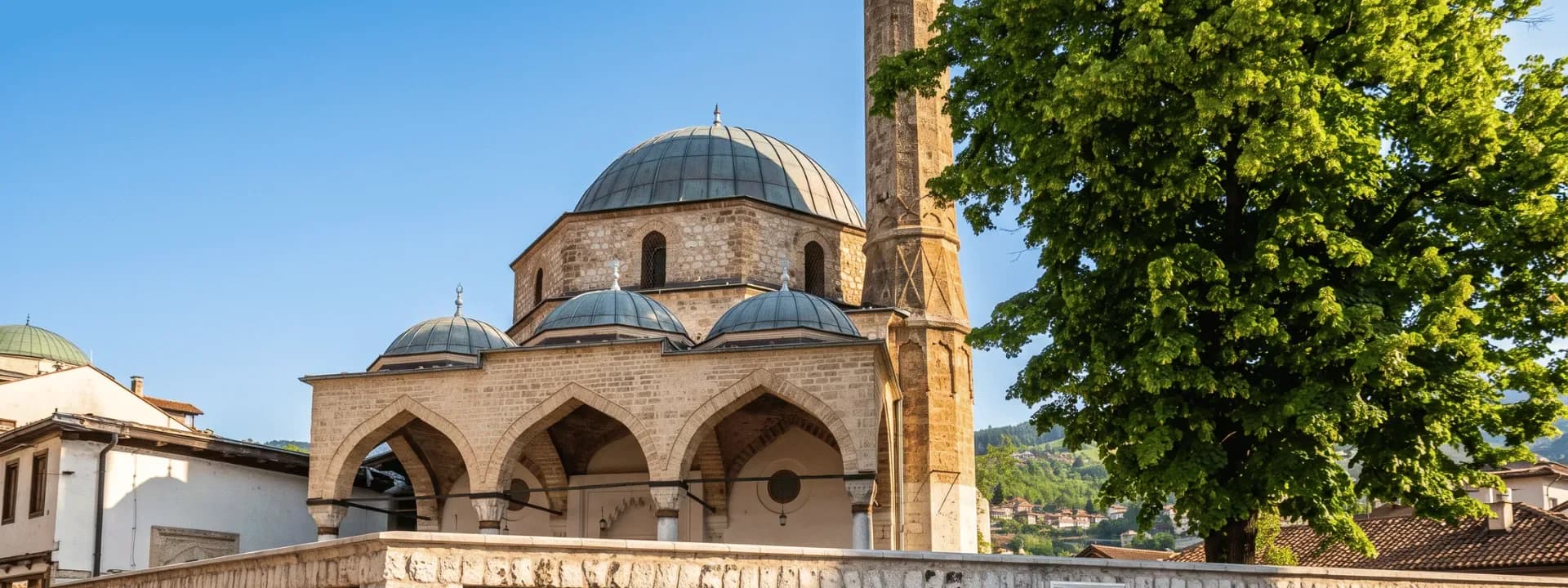
Ali-Pasha's Mosque is one of the most beautiful and most harmonious mosques in classical Ottoman style in Bosnia and Herzegovina, built in 1560 or 1561 as a waqf of Hadim Ali Pasha — a man born in Drozgometva on the…

Jerusalem of Europe
A city where East meets West — Ottoman bazaars, Austro-Hungarian boulevards, and a spirit that survived everything history threw at it.
About Sarajevo
Sarajevo is the capital and largest city of Bosnia and Herzegovina, as well as its primary urban, cultural, economic, and transportation center. Approximately 275,000 residents live in Sarajevo, and due to its long and rich history, it is often popularly referred to as the "Jerusalem of Europe" and the "Jerusalem of the Balkans."
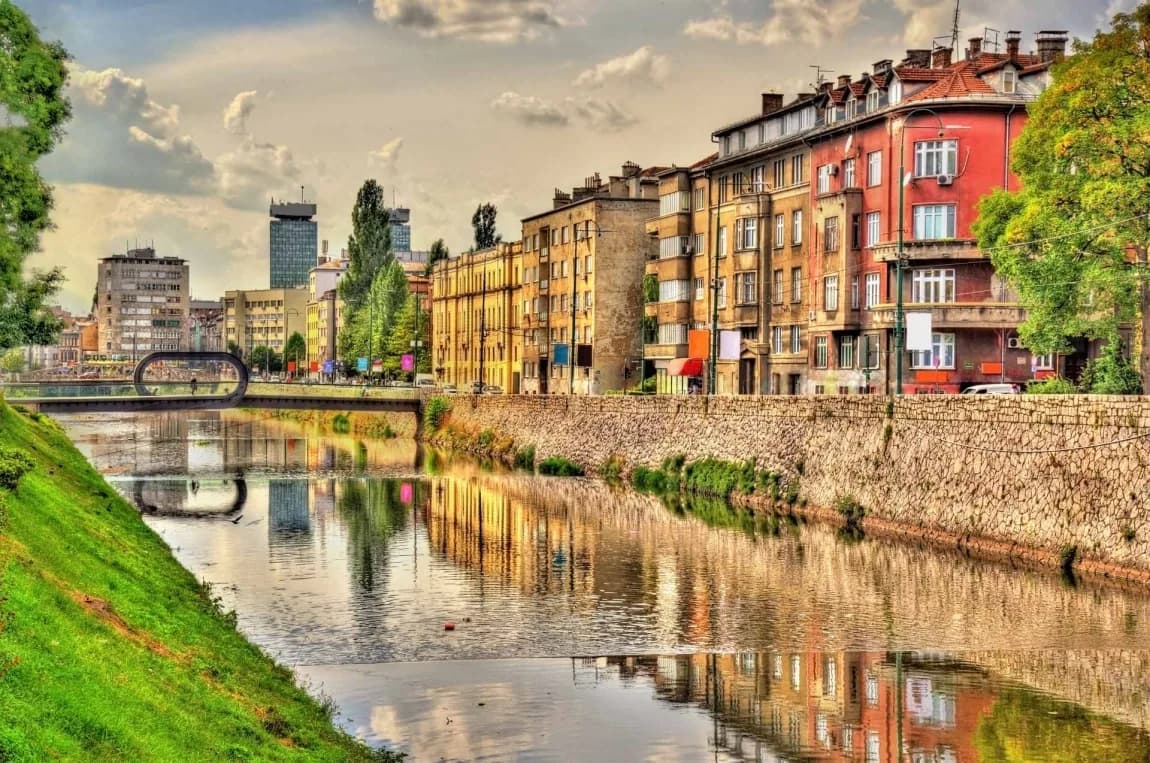
The Miljacka River flows through Sarajevo, spanning a length of 35.9 kilometers. The area has been inhabited for over four thousand years, as evidenced by the discovered remains of the Butmir culture — a discovery that made Bosnia and Herzegovina known among global scientific circles.


The places that stay with you

Sarajevo
Ali-Pasha's Mosque is one of the most beautiful and most harmonious mosques in classical Ottoman style in Bosnia and Herzegovina, built in 1560 or 1561 as a waqf of Hadim Ali Pasha — a man born in Drozgometva on the…

Sarajevo
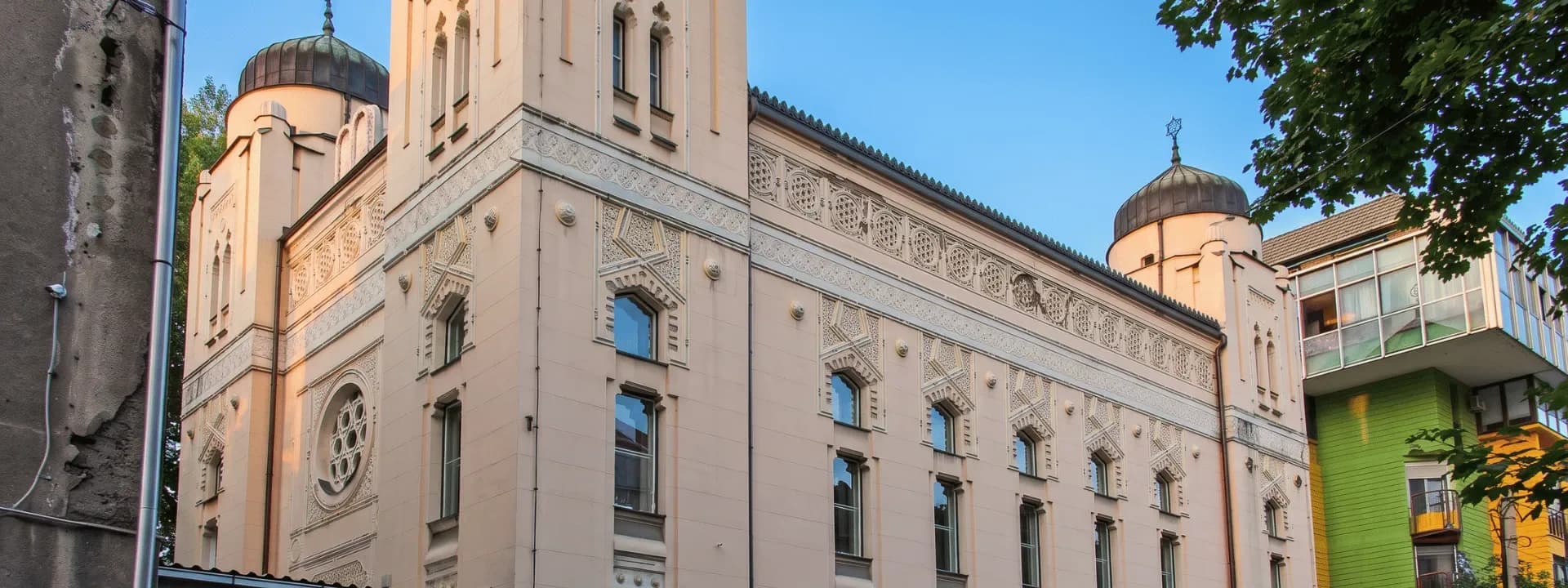
The Ashkenazi Synagogue in Sarajevo is the only active synagogue in the city and one of the most important examples of pseudo-Moorish architecture in Bosnia and Herzegovina. It was built in 1902 for the Ashkenazi…

Sarajevo
At Mejdan is an archaeological site on the left bank of the Miljacka in Sarajevo, near Ćumurija bridge. It was named after the hippodrome where horses were traded in the 17th century. In 1544, Hadži Alija Bakr-baba…

Sarajevo
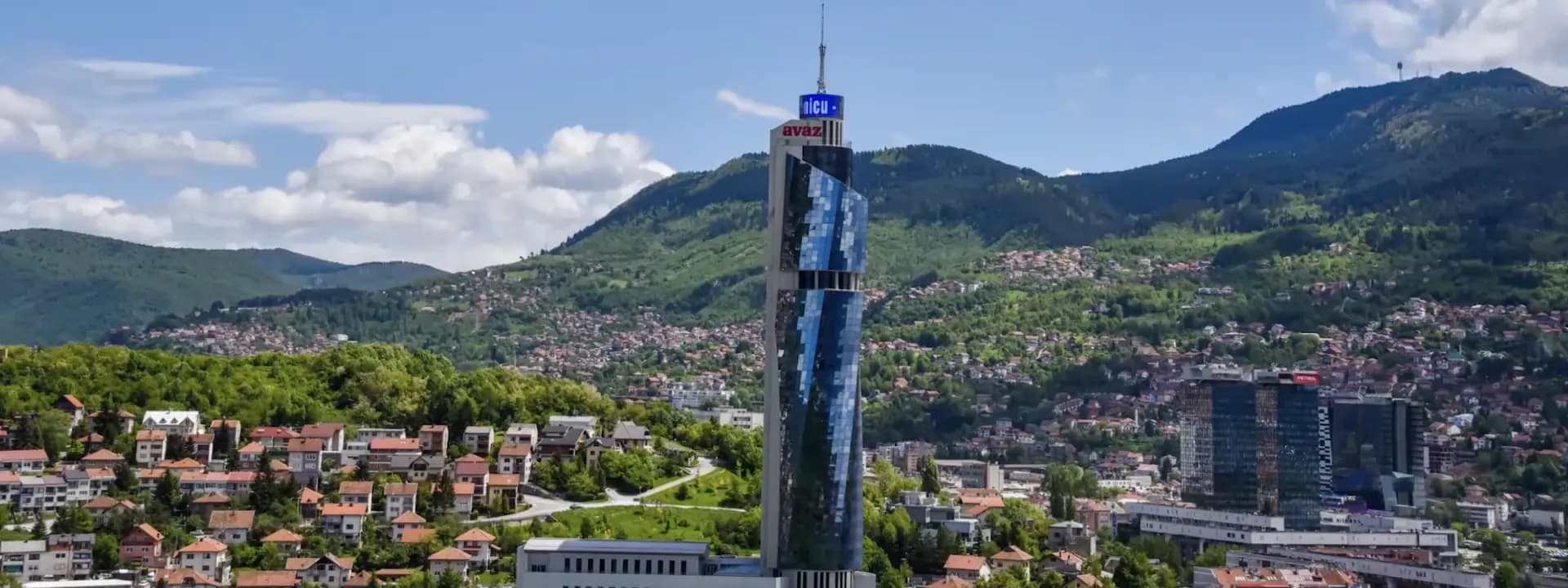
If you want to see Sarajevo at a glance, Avaz Twist Tower is a must-visit stop. Standing 175 meters tall, this architectural gem with its twisted glass facade is ranked among the most beautiful buildings in the world.…

Sarajevo
Baščaršijska Mosque, also known as the Havadže Durak Mosque, is one of Sarajevo's most beloved religious buildings, located in the heart of Baščaršija in the Stari Grad municipality. It was built as an endowment of…

Sarajevo
Brusa bezistan, built in 1551 on the orders of Rustem-paša, the grand vizier of Sultan Suleiman the Magnificent, is one of the most striking buildings in Sarajevo's Baščaršija. Recognisable by its six large roof domes…

Sarajevo
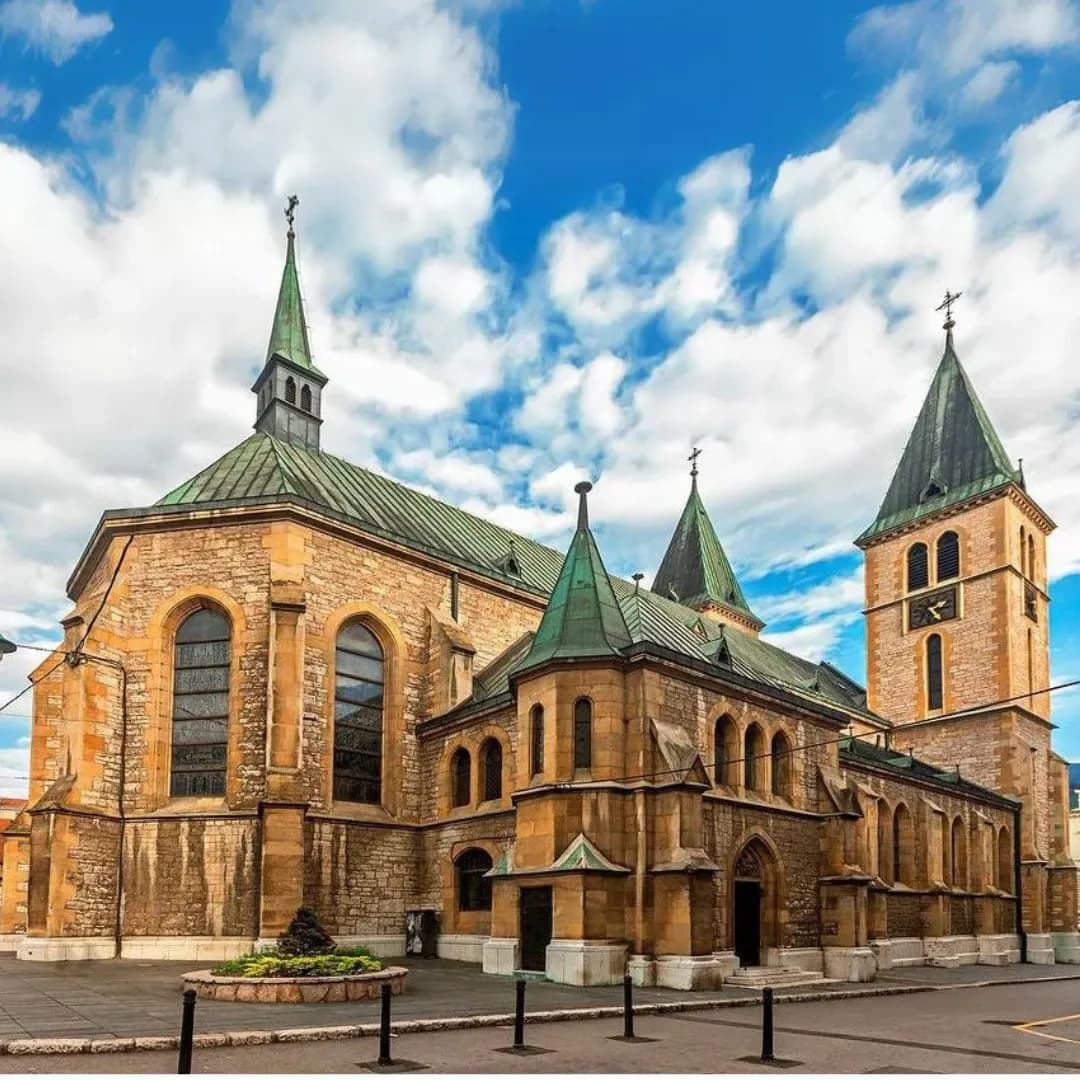
The Sacred Heart Cathedral, also known as the Sarajevo Cathedral, is the largest cathedral in Bosnia and Herzegovina and the seat of the Vrhbosna Archdiocese. It stands in the heart of the Old Town, on Fra Grge Martića…

Sarajevo
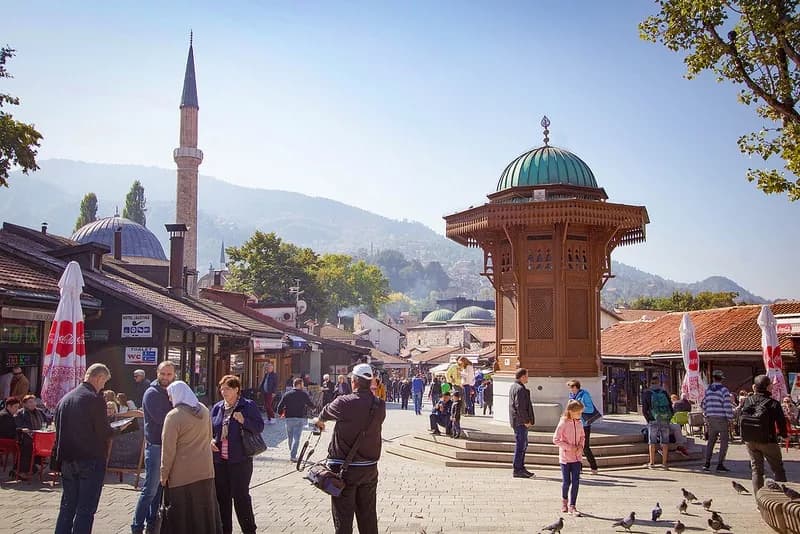
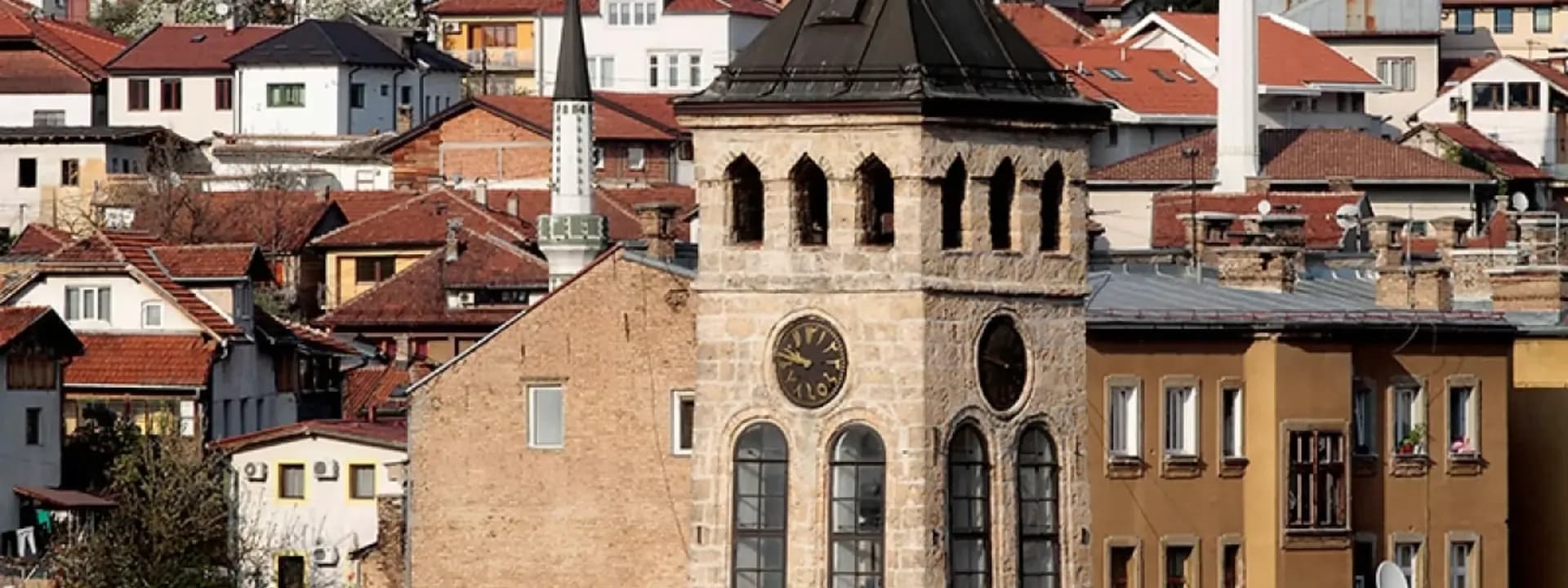
Sarajevo Clock Tower is one of the most recognizable symbols of Sarajevo, located next to Gazi Husrev-beg Mosque in the heart of Baščaršija. It is about thirty meters tall, and was built by Gazi Husrev-beg, one of the…
Find your way
34 places on the map
Distances are from the city centre, as the crow flies.
What To See & Do
From ancient bridges to vibrant bazaars — Sarajevo rewards every curious traveller.
Twenty bridges span the Miljacka River, each rooted in a different era of the city's history. The Latin Bridge (1798) is where Archduke Franz Ferdinand was assassinated in 1914, triggering World War I. Kozija Ćuprija, one of the oldest, once marked the road to Istanbul. Šeher-Ćehajina Bridge dates to 1585, and the Drvenija Bridge was rebuilt in 1898 during the Austro-Hungarian period.
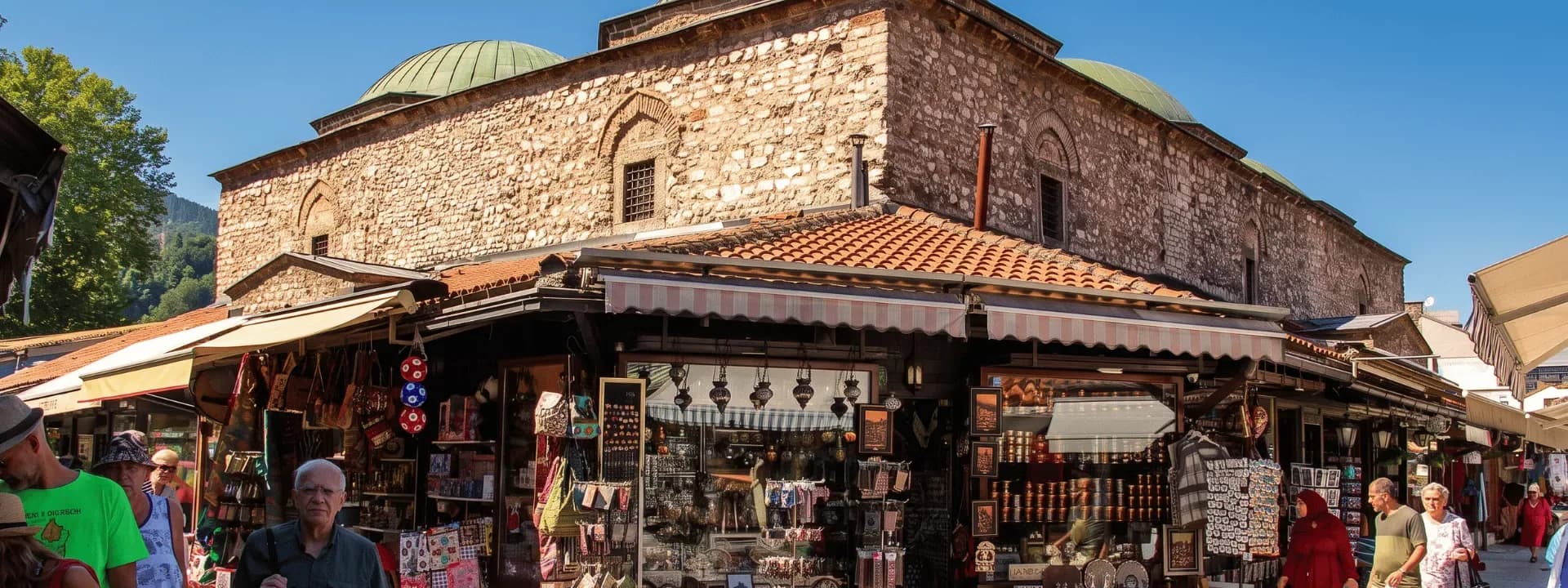
Baščaršija is the cultural and historical heart of Sarajevo, located on the northern bank of the Miljacka River. Built in 1462 by Isa Beg Isaković, it rapidly developed into a thriving bazaar with around 80 crafts organized into guild organizations by the 16th century. A walk through its streets takes you back in time — oriental scents, craft shops, restaurants, and cafes merge into an authentic experience that has survived centuries, wars, and demographic change.
Built in 1530, the Gazi Husrev-beg Mosque is one of the most significant monuments of Islamic sacred architecture in the Balkans. It was the first mosque in the world to receive electric lighting in 1898. Designed by Adžem Esir Ali — the chief architect of the Ottoman Empire at the time — it remains one of the greatest gifts from the legacy of Husrev-beg and a cornerstone of Sarajevo's urban identity.
One of the largest film festivals in Southeast Europe, founded during the siege of Sarajevo in 1995. It brings renowned personalities from around the world to Sarajevo each year and stands as a testament to the importance of art and culture — a festival that was born during war and has grown into a world-famous event.

History
The foundations of Sarajevo were laid in 1463 by the Ottoman Turks. Isa Beg Isaković established the city between 1440 and 1463, building mosques, baths, bridges, caravanserais, and shops. By the 16th century, Sarajevo had become one of the most beautiful and wealthiest cities of the Ottoman Empire.
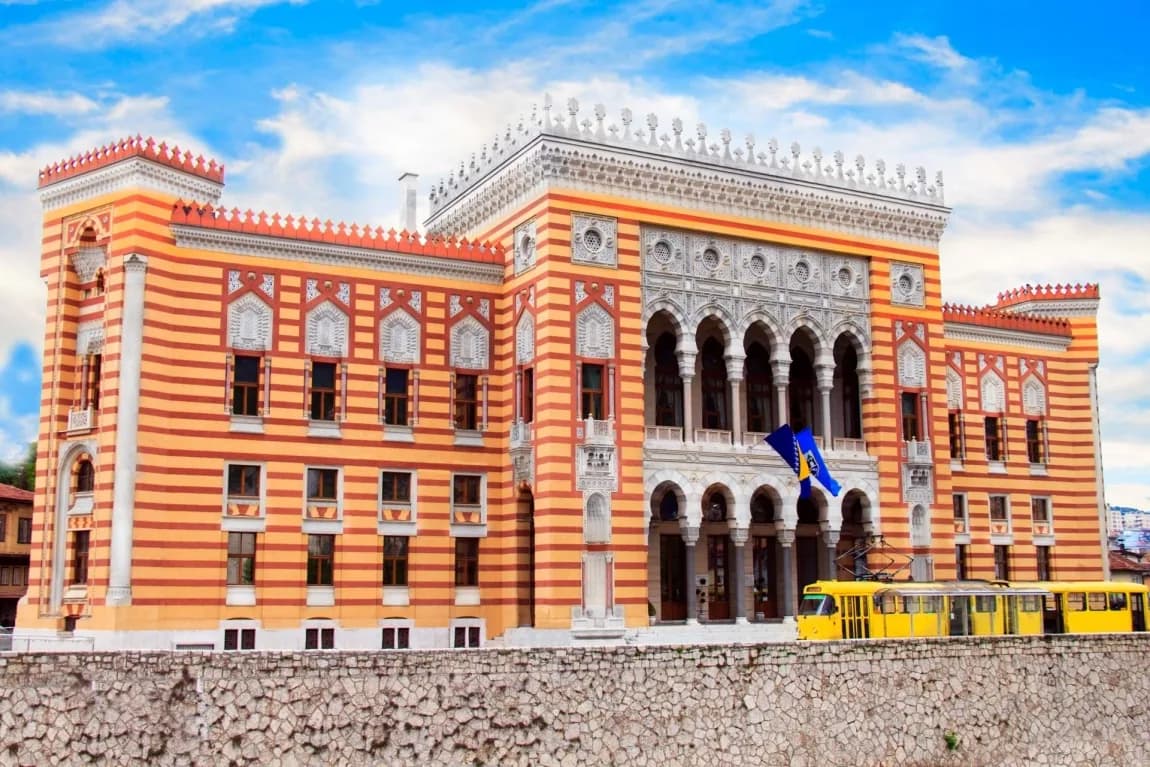
In 1878, Bosnia was occupied by the Austro-Hungarian monarchy. During this period, many buildings were constructed in the "Austrian style," the city was industrialized, and it was used as a testing ground for new inventions — including electric trams. Today, the influence of Central European culture is evident in palaces, churches, and residential buildings throughout the city.
On June 28, 1914, the assassination of Archduke Franz Ferdinand on the Latin Bridge triggered World War I. In 1992, Sarajevo endured a siege lasting 1,425 days. Today, it has been proclaimed one of the most beautiful destinations in the world by leading travel magazines.

Practical Guide
Everything you need to plan the perfect Sarajevo trip.
Explore Bosnia & HerzegovinaSeveral mountains around Sarajevo offer hiking and mountain biking, with trails ranging from easy to challenging. For water enthusiasts, rafting tours on the Neretva River provide a daily dose of adrenaline through waterfalls and pristine nature.
As you stroll through Baščaršija, you'll be drawn in by aromas from bakeries, ćevap joints, grill houses, and restaurants. Traditional Bosnian food blends Eastern and Western influences — similar to Mediterranean and Turkish cuisine — using meat and fresh vegetables grown locally.
Sarajevo is rich in cultural life — festivals, concerts, performances, and events year-round. Whether you prefer a relaxing coffee, a live concert, or dancing until dawn, the city has something for every taste. Beer lovers will find a wide selection of local and foreign choices.
Sarajevo offers accommodation for every budget — from 5-star hotels with wellness facilities and parking, to cosy city inns, hostels, apartments, and private rooms. Whether you're a business traveller or a backpacker, you'll find the right fit.