Fly2Balkan
Archaeological Sites

Durres Amphitheater

Durres, Albania

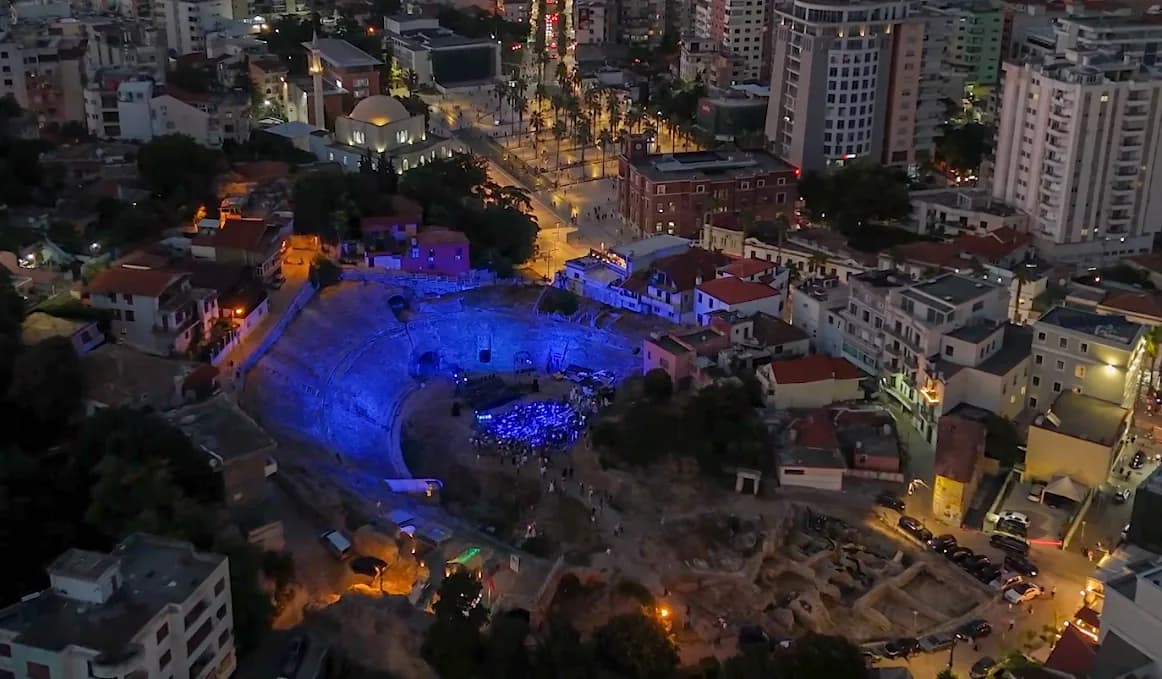
The Durrës Amphitheater is one of the most important and largest historical monuments of antiquity in Albania and the Balkan region. It is located in the center of the coastal city of Durrës, just a few meters from the…

Durres
City
Archaeological Sites
Category
6+ landmarks
Nearby
Durres Amphitheater Durres· Albania

About this landmark

Durres Amphitheater

The Durrës Amphitheater is one of the most important and largest historical monuments of antiquity in Albania and the Balkan region. It is located in the center of the coastal city of Durrës, just a few meters from the Adriatic Sea, testifying to the importance of this city during the time of the Roman Empire.

This amphitheater was built in the early 2nd century AD, during the reign of Emperor Trajan, and is considered the largest Roman amphitheater ever built on the Balkan Peninsula. Its magnificent structures had a capacity of about 15,000 to 20,000 spectators, a significant part of the ancient population, where combat performances, gladiatorial fights and public events of the time took place.

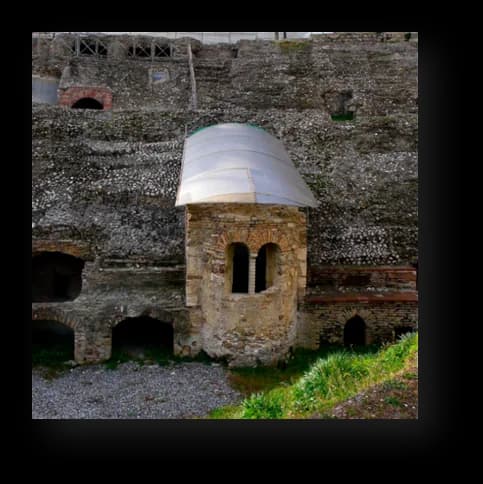
The amphitheater was in use until the 4th century AD, but was damaged by major earthquakes and changes in the city's structure. During later periods, early Christian chapels were built on its premises, which preserve remains of mosaics and frescoes, testifying to the historical mixing of religious and public functions in the site.

The amphitheater was discovered by chance in 1966 by Albanian archaeologist Vangjel Toçi, and further studies and excavations have brought to light large parts of it, turning the ruins into an archaeological site open to the public.

Today, the Durrës Amphitheater is one of the most visited archaeological attractions in the country, included in the tentative list of UNESCO World Heritage Sites for Albania, and continues to attract domestic and foreign visitors who want to explore Roman history on the Adriatic.

Its importance lies not only in its size and architecture, but also in the cultural and historical values ​​associated with the ancient life and society of the city of Dyrrachium (the ancient name of Durrës), making it a major landmark of cultural tourism in Albania.


Nearby

More landmarks in Durres

All landmarks in Durres
Museums & Galleries

Durres

“Alexander Moisiu” House-Museum

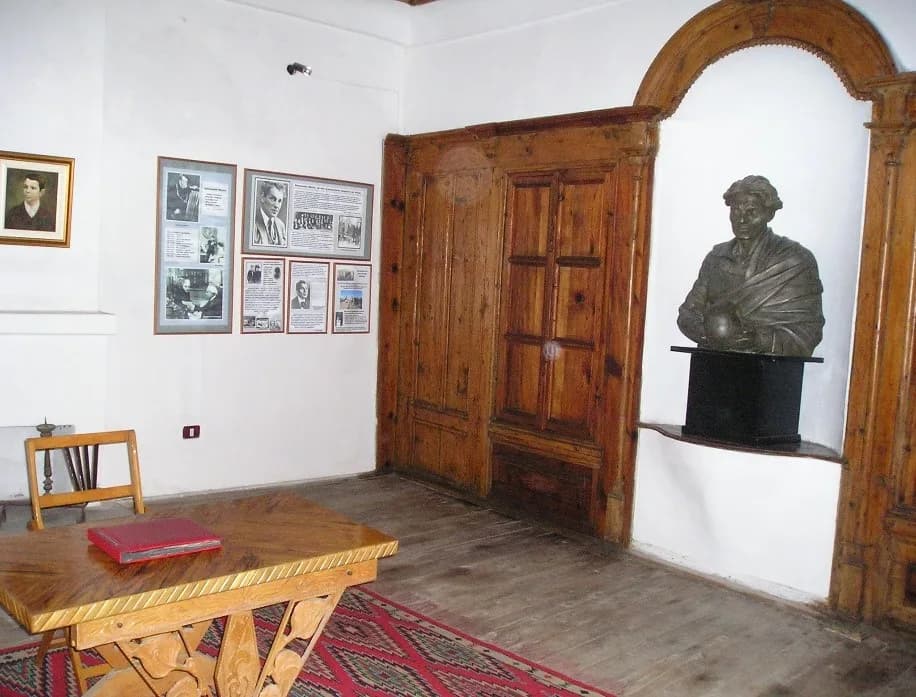
The House-Museum “Aleksandër Moisiu” in Durrës is a cultural monument of historical, architectural and cultural value, located in the center of the historic city, near the Ancient Amphitheater and the Byzantine walls.…

Explore landmark
Religious Sites

Durres

“Fatih” Mosque

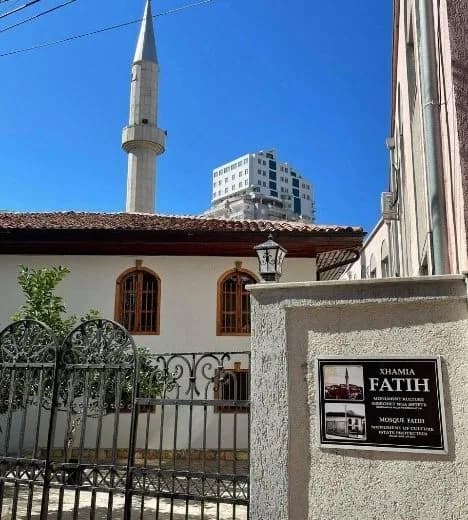
The “Fatih” Mosque (also known as the Small Mosque or the Old Mosque) is one of the oldest monuments of Islamic worship in Albania and one of the main historical sites of the city of Durrës. It preserves great…

Explore landmark
Historic Buildings & Architecture

Durres

“Sulejman Kulla” Tower

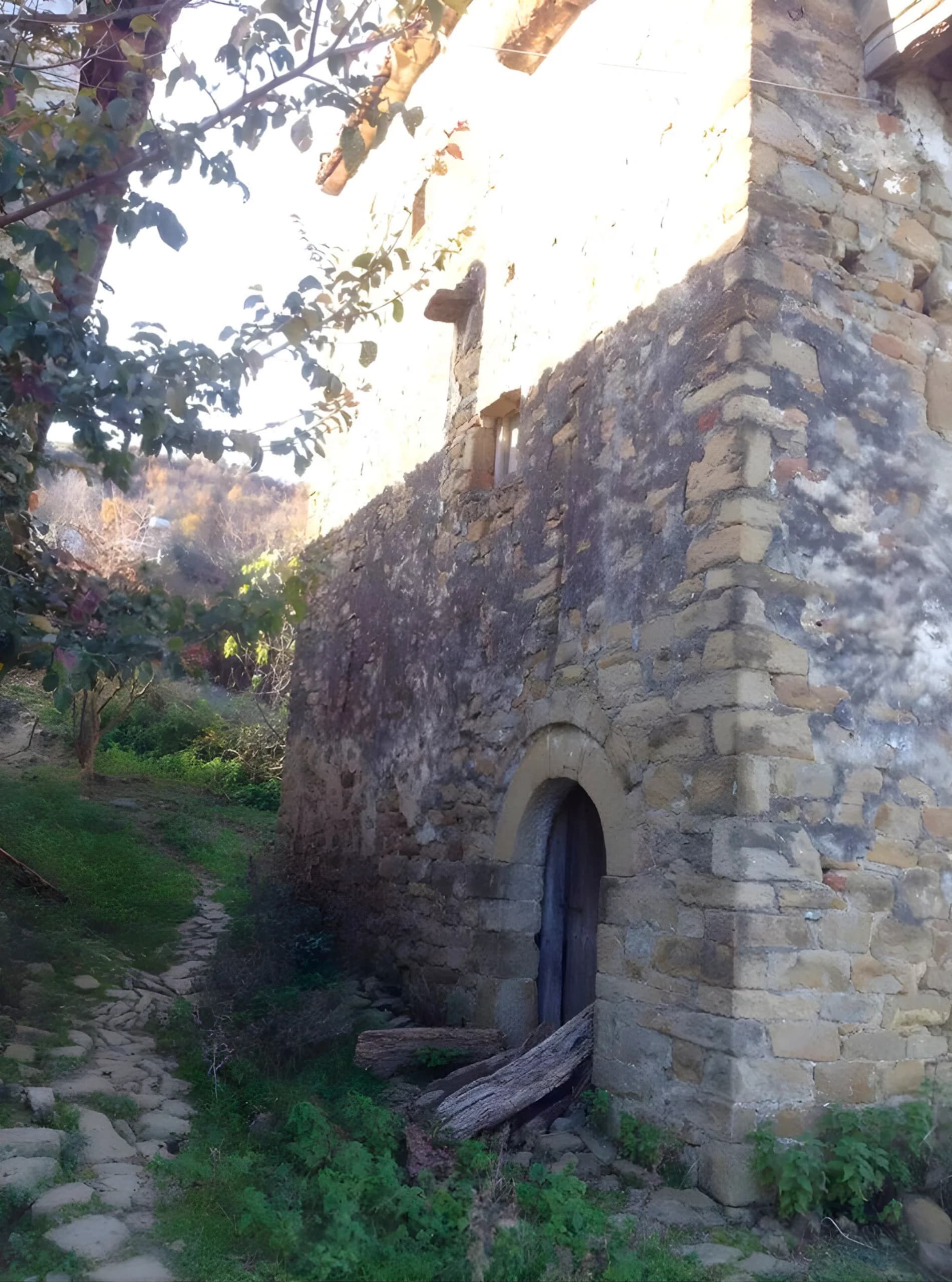
The “Sulejman Kulla” Tower is a first-category cultural heritage monument located in the village of Kullas, Ishëm administrative unit, in the Durrës district. It represents a traditional three-story…

Explore landmark
Historic Buildings & Architecture

Durres

Albanian State Bank

The Albanian State Bank in Durrës is one of the most important historical structures of the Albanian financial system, linked to the economic and institutional development of the country during the second half of the…

Explore landmark
Religious Sites

Durres

Amphitheater Chapel

Within the structure of the Durrës Amphitheatre, the largest Roman monument in the Balkans, a small Paleochristian chapel has been discovered, testifying to the gradual transformation of ancient public spaces into…

Explore landmark

Durres

Apartment No. 115 of the Manushi and Pali family

House No. 115 of the Manushi and Pali family is a monument of cultural heritage of Albania, categorized as a first category Cultural Monument, located in the city of Durrës and officially registered on May 24, 2006…

Explore landmark
Six countries. Your own journey.

Let’s plan your Balkan trip.

A few details now. An itinerary shaped around you.

  1. 1Travellers & days
  2. 2Destinations
  3. 3Your details

Who’s coming, and for how long?

Start with your group size and your ideal trip length.

Ages 18 and over
Ages 0–17
Number of days
Step 1 of 3