Fly2Balkan

The Boqezë pile-dwelling settlement.

Pogradec, Albania

The Boqezë settlement belongs to the lake-dwelling (lacustrine) type. It covers an area of about 6 hectares and consisted of a very large number of wooden posts driven vertically into the ground, supporting a…

Pogradec
City
6+ landmarks
Nearby
The Boqezë pile-dwelling settlement. Pogradec· Albania

About this landmark

The Boqezë pile-dwelling settlement.

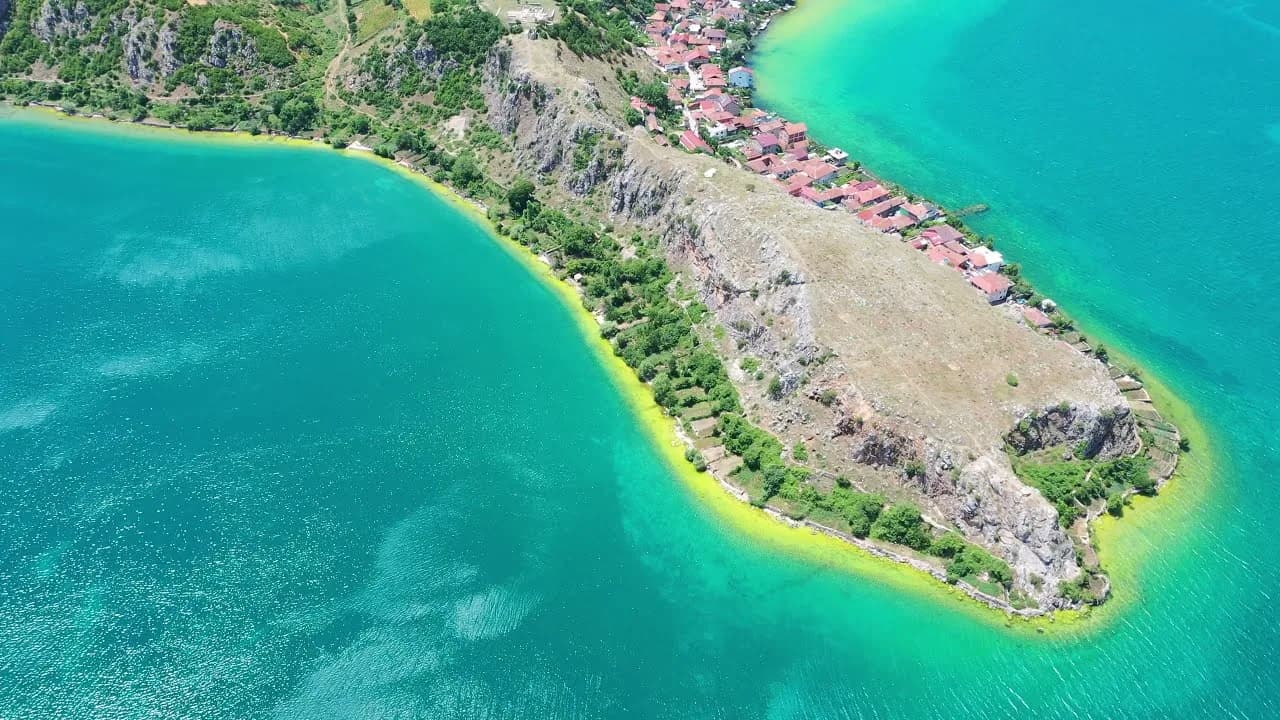
The Boqezë settlement belongs to the lake-dwelling (lacustrine) type. It covers an area of about 6 hectares and consisted of a very large number of wooden posts driven vertically into the ground, supporting a horizontal wooden platform on which the dwellings were then built.

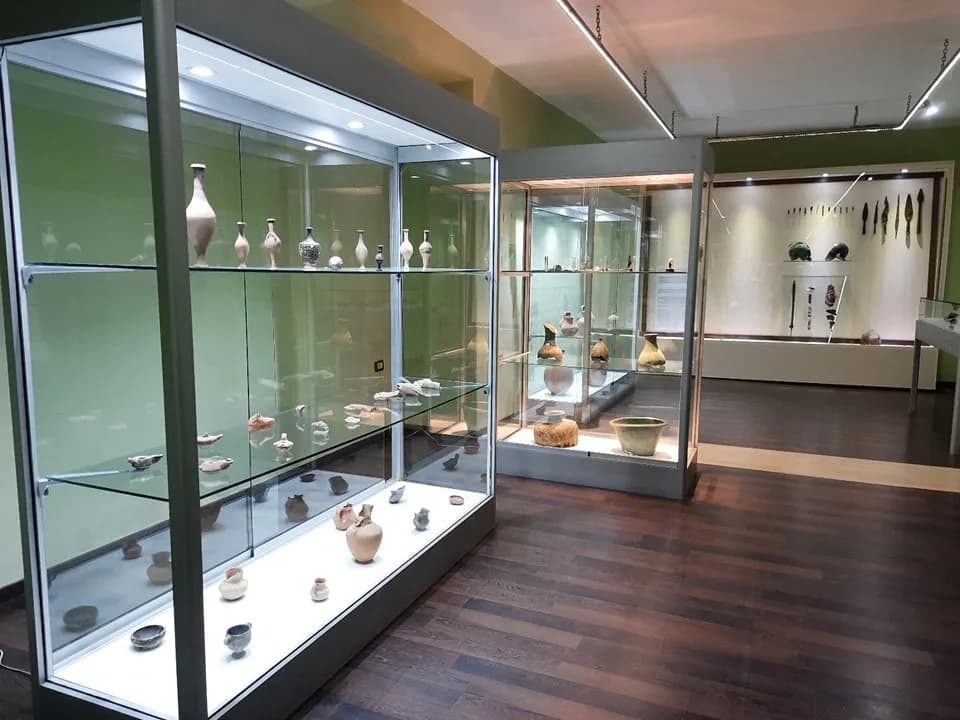
This settlement was surrounded by a wooden fence that protected it from external dangers. Research shows that the main types of wood used as supporting piles were those of the oak, pine and maple families, which are very resistant to water. Stone and flint tools, clay vessels, weapons, stone weights for fishing nets, as well as other objects discovered during archaeological excavations, prove that the local population was engaged in agriculture, livestock, fishing and hunting wild animals. It is thought that the number of inhabitants living in this settlement during the early Neolithic period ranged from 200 to 500 people.

They were part of an organized community (community) who cooperated closely with each other to ensure the well-being of the settlement, organize daily life, and protect community members from diseases, natural disasters, or external attacks from wild animals or other communities.

Dating of the settlement, carried out using the carbon 14 (C14) method, has confirmed that, based on current knowledge, the Boqeza palafite settlement is the oldest lakeshore settlement discovered to date in Europe (8200 years ago). The settlement is part of the UNESCO-protected World Heritage Site of the Lake Ohrid Region..


Nearby

More landmarks in Pogradec

All landmarks in Pogradec
Bridges & Aqueducts

Pogradec

Bridge in the village of Golik, a first-class monument

It is the most unique bridge in the Pogradec district. It is located about 40 km from the city, over the Shkumbin River, built on the traces of the old Egnatia road, a branch of which started precisely from Golik to…

Explore landmark
Monuments & Public Art

Pogradec

Drilon Tushemisht Water Park, natural monument

Driloni or Voloreka as the people of Pogradec call it, is one of the wonders that nature has created. It is located 5 km east of Pogradec, near the tourist village of Tushemisht. Driloni is a karst spring that consists…

Explore landmark
Monuments & Public Art

Pogradec

Kamja Stone

The Kamje Stone is a very special natural monument classified as a Geomonument. It is composed of conglomerates and the modeling by wind and erosion has given it the shape of a "ship sailing on a green sea". It is…

Explore landmark
Religious Sites

Pogradec

Monastery of Saint Marena in Llënga

Monument category: I – First It is located very close to the village of Llëngë, in the Upper Mokra region. The monastery consists of a complex of properties owned by it, such as the church of St. Marena, the guest…

Explore landmark
Castles & Fortresses

Pogradec

Pogradec Castle

Pogradec Castle, a Category I monument, is located southwest of Lake Ohrid, above the city of Pogradec, on a hill about 200 meters high, only 700 meters from the city center. Early settlement in this area dates back to…

Explore landmark
Museums & Galleries

Pogradec

Pogradec Historical Museum

The Historical Museum of Pogradec has been open since November 1964. This museum has an archaeological and historical-ethnographic character. It houses a rich collection of artifacts, which represent the history of the…

Explore landmark
Six countries. Your own journey.

Let’s plan your Balkan trip.

A few details now. An itinerary shaped around you.

  1. 1Travellers & days
  2. 2Destinations
  3. 3Your details

Who’s coming, and for how long?

Start with your group size and your ideal trip length.

Ages 18 and over
Ages 0–17
Number of days
Step 1 of 3