Bihać
AVNOJ Museum
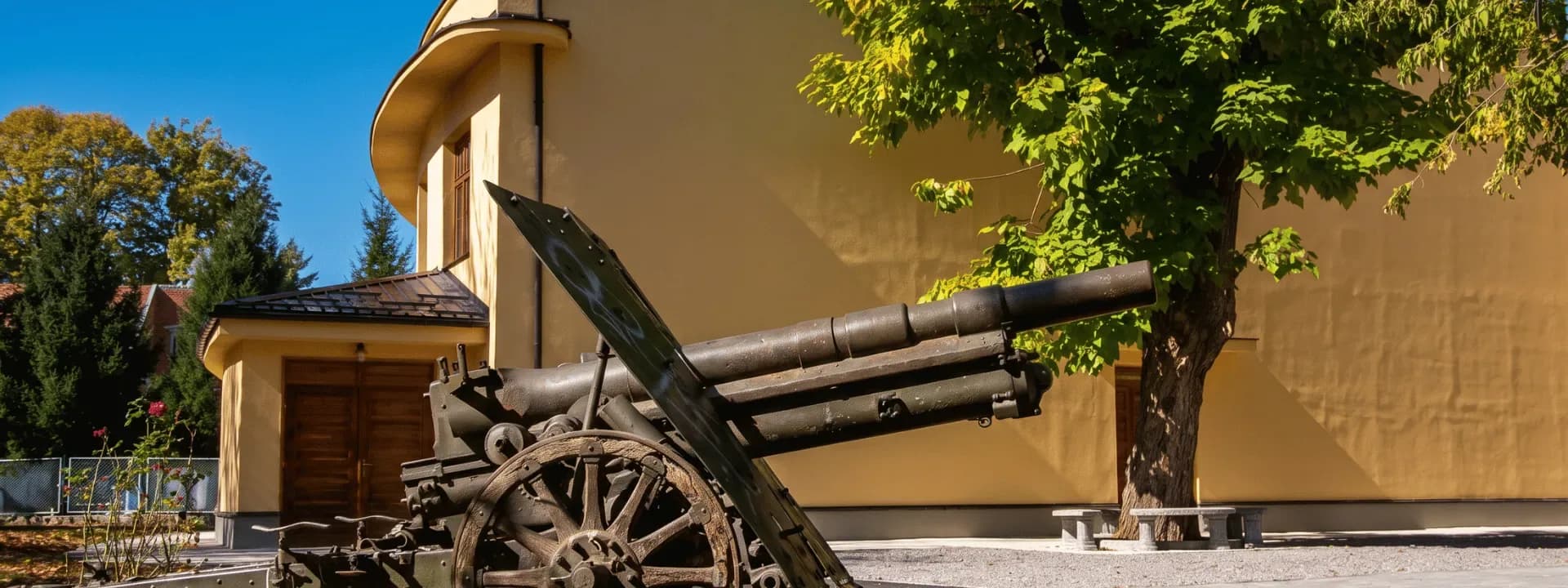
The AVNOJ Museum was founded in 1952 as a memorial museum and today is one of the most important historical sites in Bihać. It was in this building that the first AVNOJ session was held on November 26 and 27, 1942,…
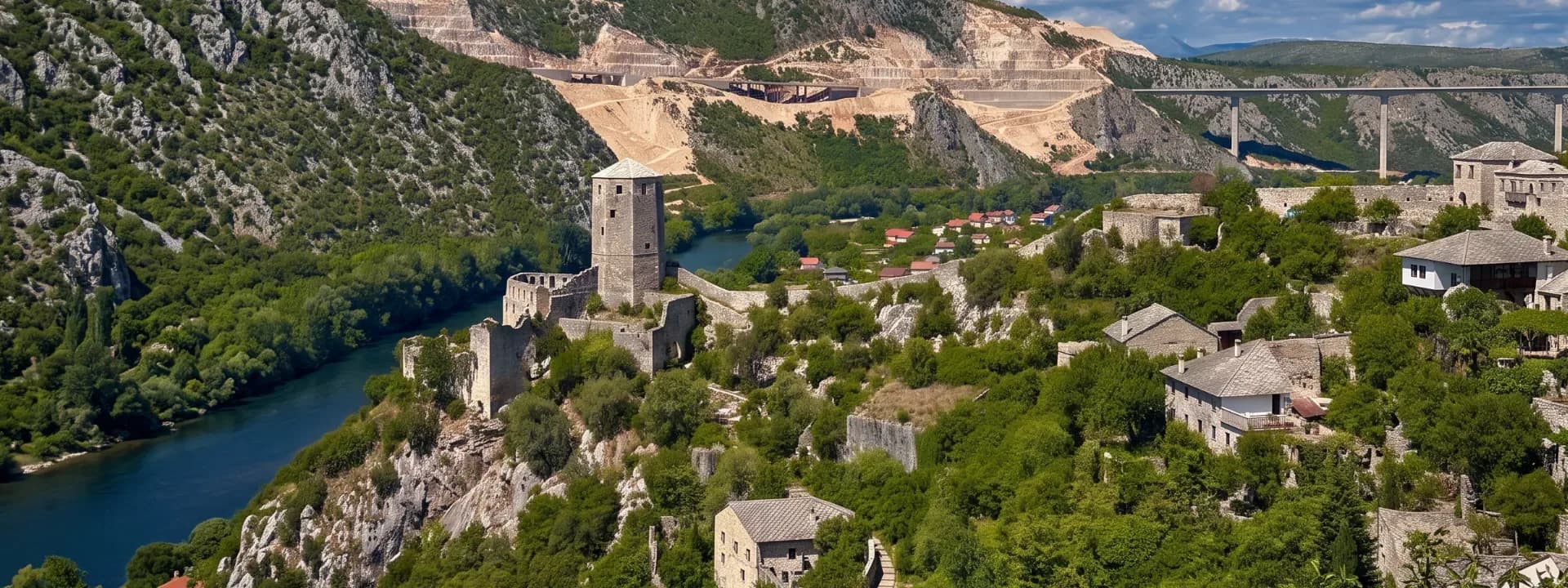
Perched on steep cliffs above the emerald Neretva, Počitelj is a fascinating open-air museum and one of the most important national monuments of Bosnia and Herzegovina. Its origins are linked to King Tvrtko I…
About this landmark
Perched on steep cliffs above the emerald Neretva, Počitelj is a fascinating open-air museum and one of the most important national monuments of Bosnia and Herzegovina. Its origins are linked to King Tvrtko I Kotromanić and the year 1383, but its present appearance owes much to the specific interweaving of the medieval West and the oriental East. Over the centuries, Počitelj was a key strategic point expanded by the Hungarian-Croatian king Matthias Corvinus with the assistance of the Republic of Dubrovnik, and subsequently by the Ottomans who conquered it in 1471. This architectural symbiosis created one of the most beautiful gems of Herzegovina, where clock towers, madrasas, and stone towers form an inseparable whole with the Herzegovinian karst.
The two most prominent symbols of Počitelj bear witness to the power and aesthetics of bygone times:
Gavrankapetanović House: The most representative example of residential architecture in the settlement. Built during the 16th and 17th centuries, the house combines influences of Islamic and Mediterranean construction. Today it is known as the home of an international artists' colony, offering refuge to creators from around the world in the authentic setting of its selamlik and divanhana.
Počitelj Fortress: A monumental defensive system built between the 15th and 18th centuries. Its core consists of a donjon with a square tower, while the extended walls, bastions (Mehmed-paša's and Delibaša's) and massive gates bear witness to the time when Počitelj was an impregnable gateway controlling the route to the sea.

Gallery
Nearby

Bihać
The AVNOJ Museum was founded in 1952 as a memorial museum and today is one of the most important historical sites in Bihać. It was in this building that the first AVNOJ session was held on November 26 and 27, 1942,…

Bihać
The city island is located in the very center of Bihać, on the Una River, and is one of the most picturesque and beloved places in the city. It was once the heart of the old bazaar — at the end of the 19th century,…

Bihać
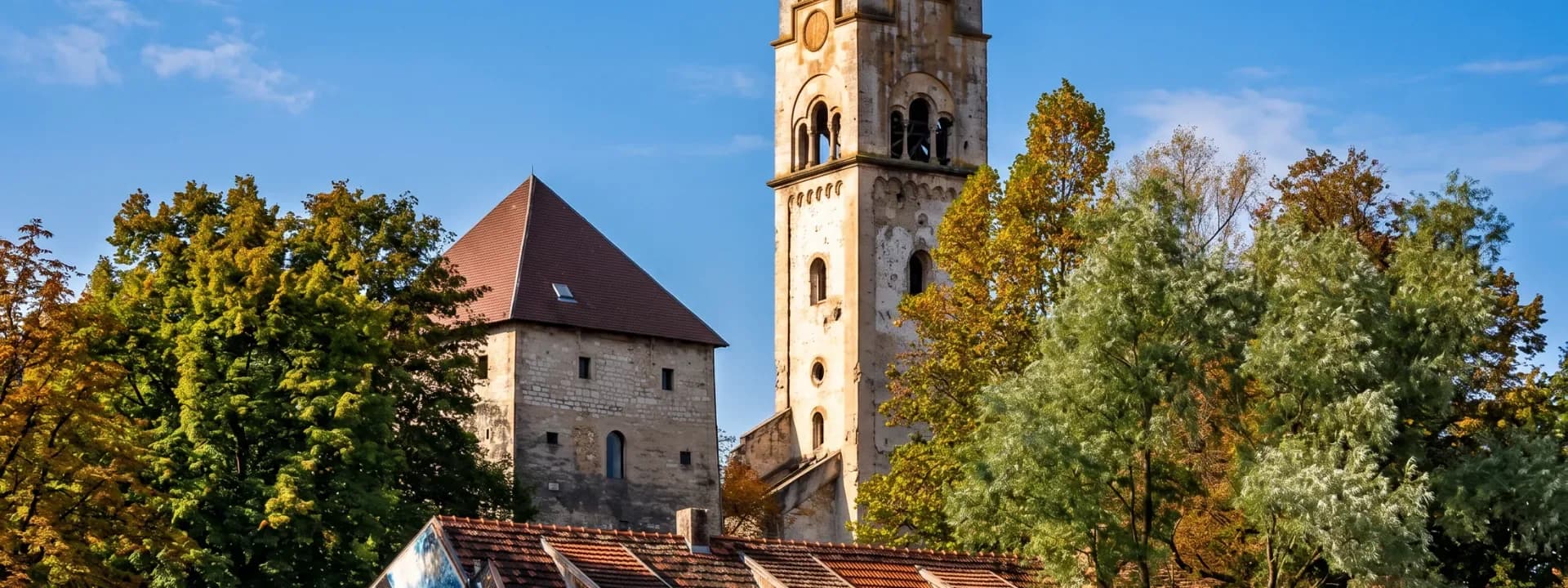
Kapetanova kula is one of the oldest and most recognizable buildings in Bihać, located right on the bank of the Una River. According to some sources, it dates back to the Middle Ages, while other theories link its…

Bihać
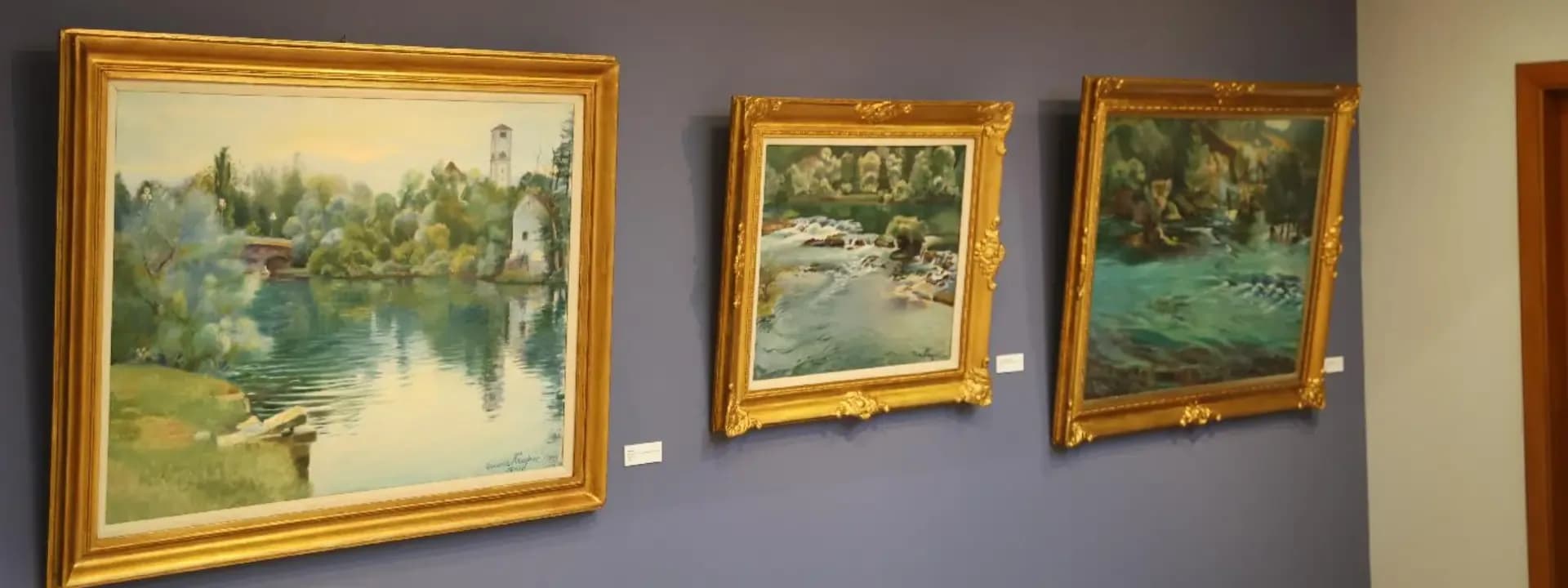
The Enver Krupić Art Gallery is a must-visit for all art lovers in Bihać. It was created thanks to the will of academic painter Enver Krupić, born in Bosanska Krupa, who left his rich artistic and personal legacy to…

Bihać
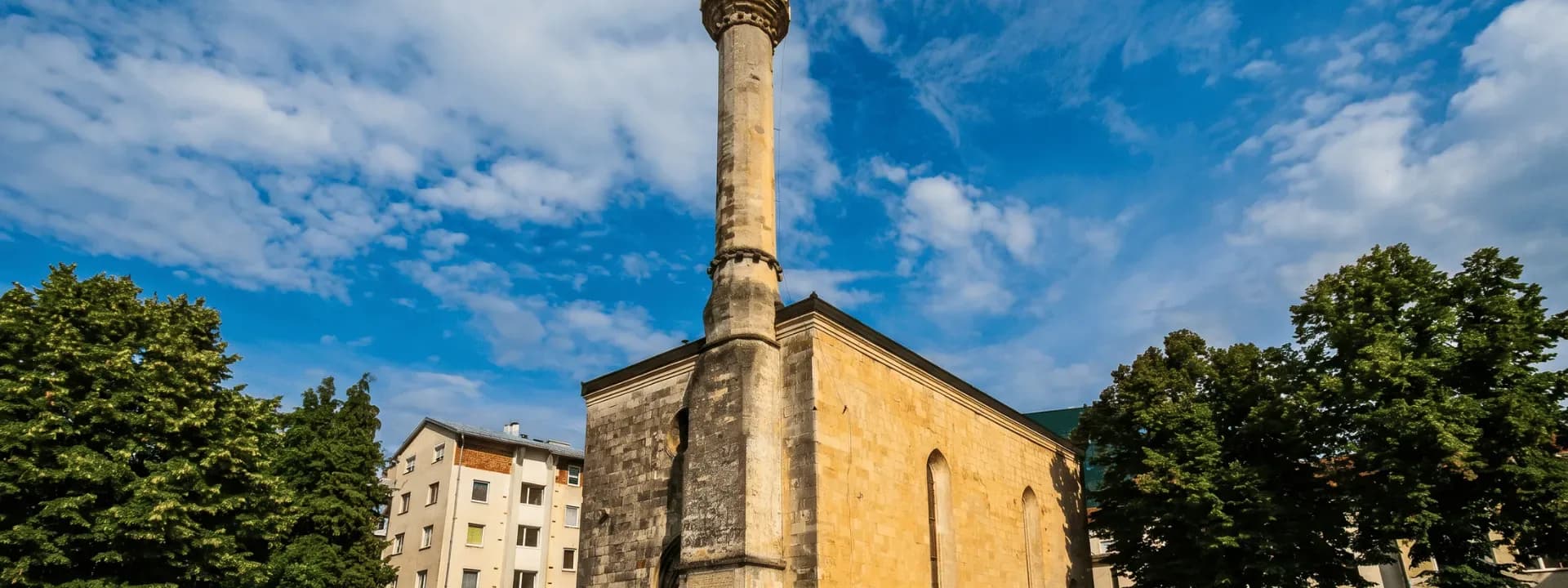
Fethija Mosque is one of the most distinctive religious buildings in the city of Bihać, with a remarkably rich and layered history. Originally built in the mid-13th century as a Gothic church dedicated to St. Anthony,…

Bihać
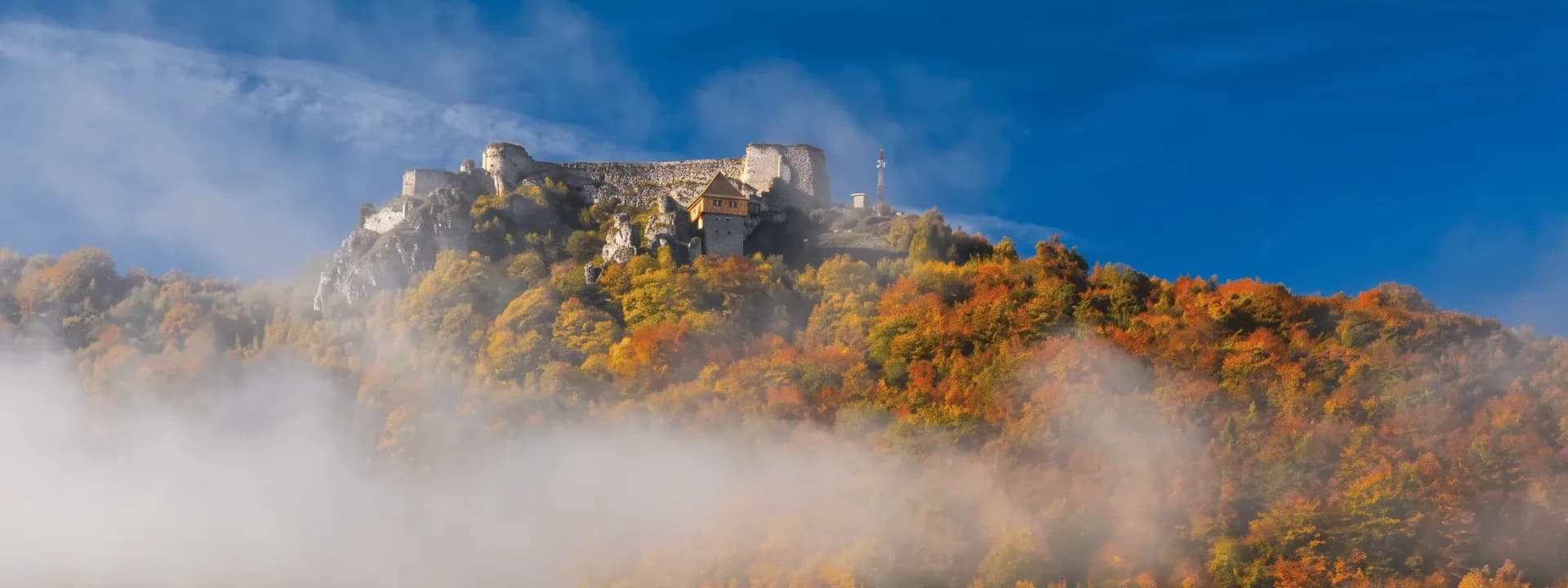
Stari grad Ostrovica is a large fortification on a steep hill above the left bank of the Una River near the settlement of Ostrovica, close to Kulen Vakuf in the municipality of Bihać. Located within Una National Park,…