Bihać
AVNOJ Museum
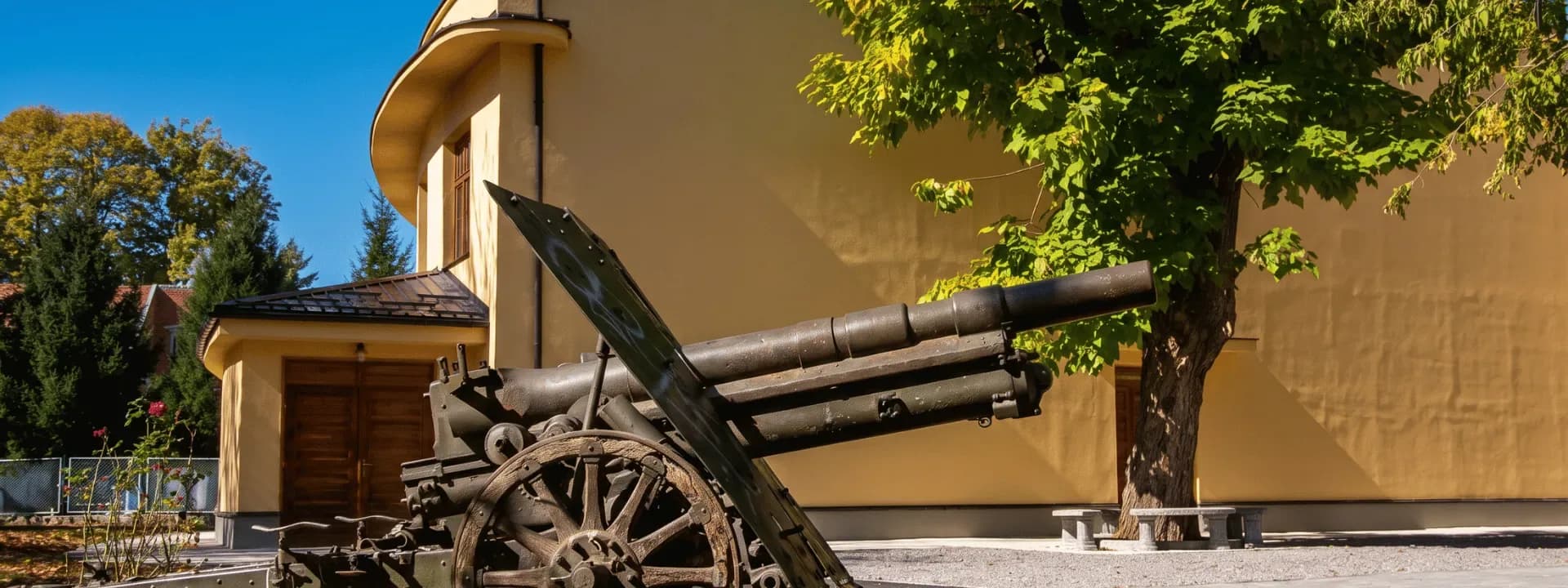
The AVNOJ Museum was founded in 1952 as a memorial museum and today is one of the most important historical sites in Bihać. It was in this building that the first AVNOJ session was held on November 26 and 27, 1942,…

The city on the Una
A city shaped by the emerald Una — medieval heritage, riverside life, spectacular waterfalls, and some of the most beautiful untouched nature in Bosnia and Herzegovina.
About Bihać
Bihać is the largest city of northwestern Bosnia and Herzegovina and the administrative, cultural, and economic center of the Una-Sana region.
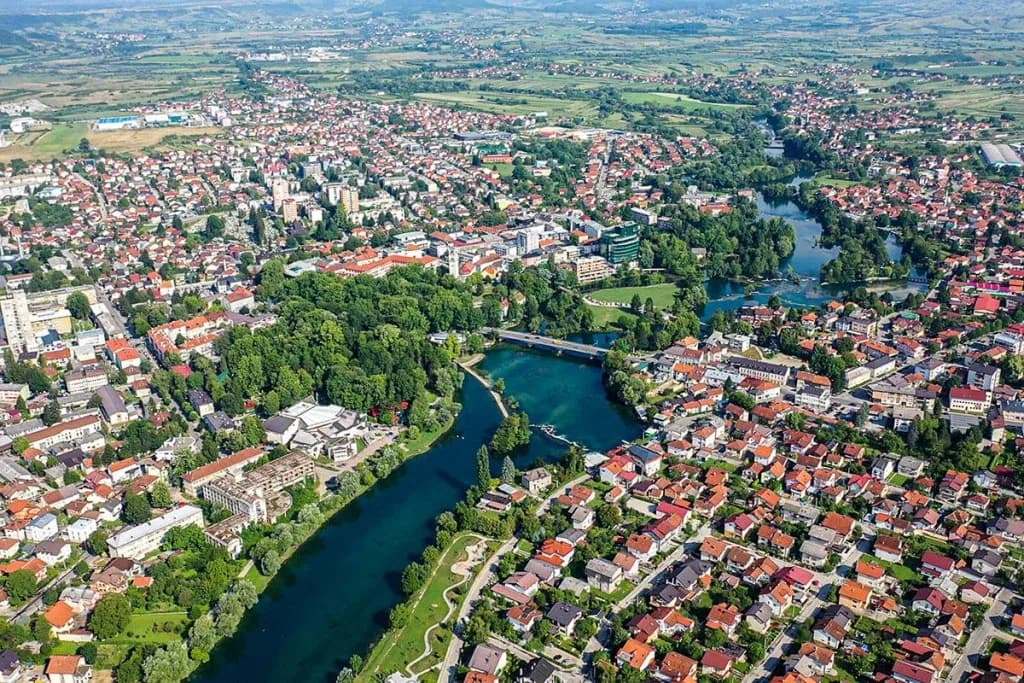
Located directly on the banks of the crystal-clear Una River, Bihać is surrounded by forests, hills, mountains, waterfalls, and some of the country's most impressive natural landscapes. The river runs through the heart of the city and has shaped its history, identity, and everyday life for centuries.
Bihać combines medieval heritage, Ottoman and Austro-Hungarian architecture, lively riverside cafés, and easy access to spectacular nature.
Today, it is best known as the gateway to Una National Park, making it one of Bosnia and Herzegovina's leading destinations for rafting, hiking, kayaking, and nature tourism. Many of the city's main historical attractions can also be explored during a single walk through its compact center. visitbihac.com


The places that stay with you

Bihać
The AVNOJ Museum was founded in 1952 as a memorial museum and today is one of the most important historical sites in Bihać. It was in this building that the first AVNOJ session was held on November 26 and 27, 1942,…

Bihać
The city island is located in the very center of Bihać, on the Una River, and is one of the most picturesque and beloved places in the city. It was once the heart of the old bazaar — at the end of the 19th century,…

Bihać
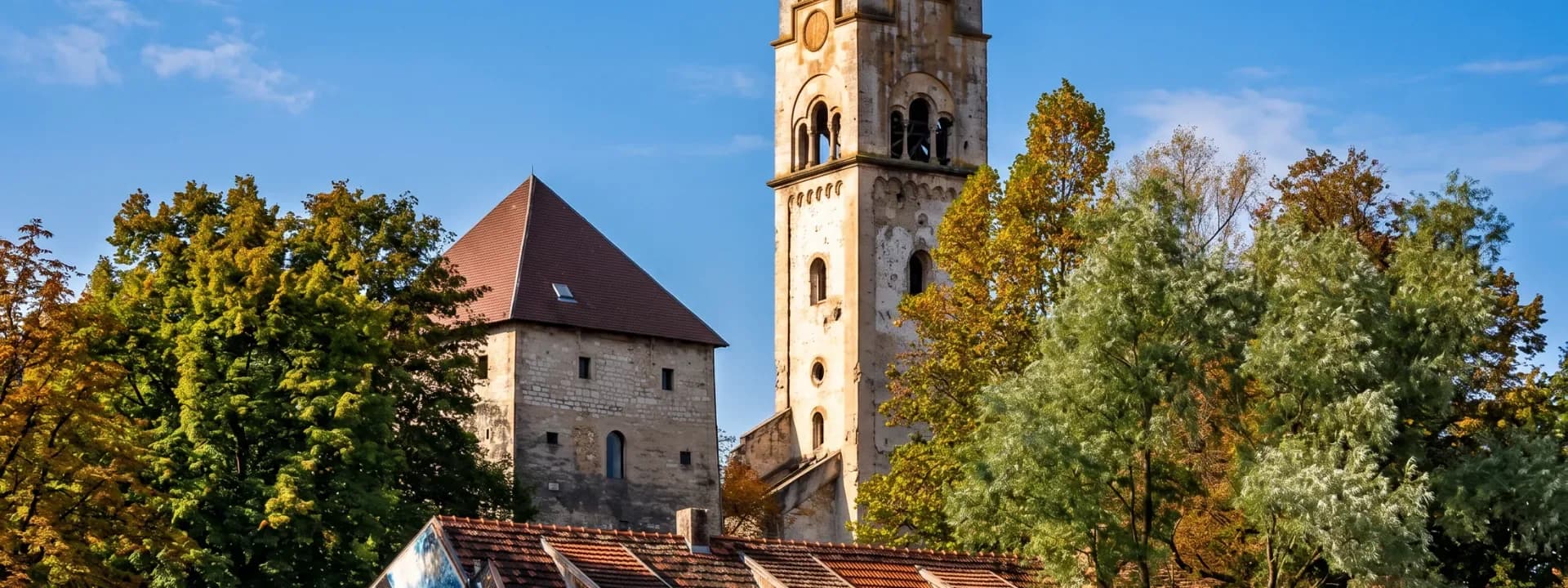
Kapetanova kula is one of the oldest and most recognizable buildings in Bihać, located right on the bank of the Una River. According to some sources, it dates back to the Middle Ages, while other theories link its…

Bihać
The Enver Krupić Art Gallery is a must-visit for all art lovers in Bihać. It was created thanks to the will of academic painter Enver Krupić, born in Bosanska Krupa, who left his rich artistic and personal legacy to…

Bihać
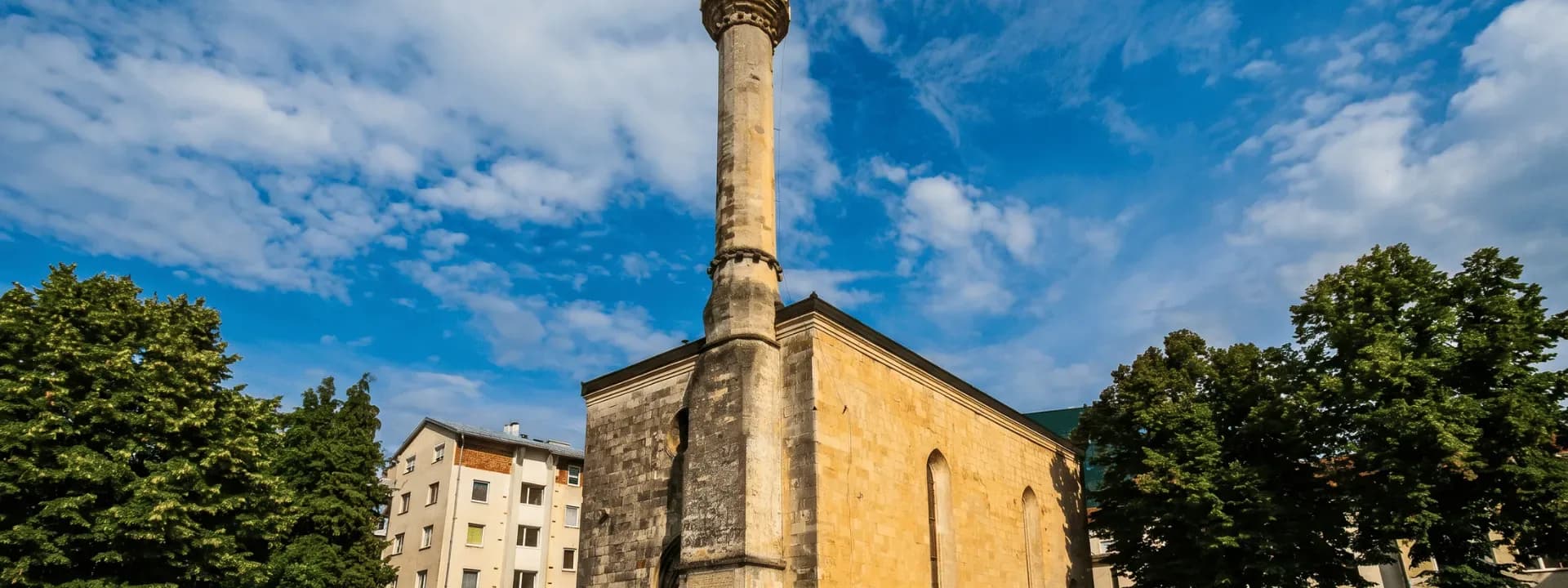
Fethija Mosque is one of the most distinctive religious buildings in the city of Bihać, with a remarkably rich and layered history. Originally built in the mid-13th century as a Gothic church dedicated to St. Anthony,…

Bihać
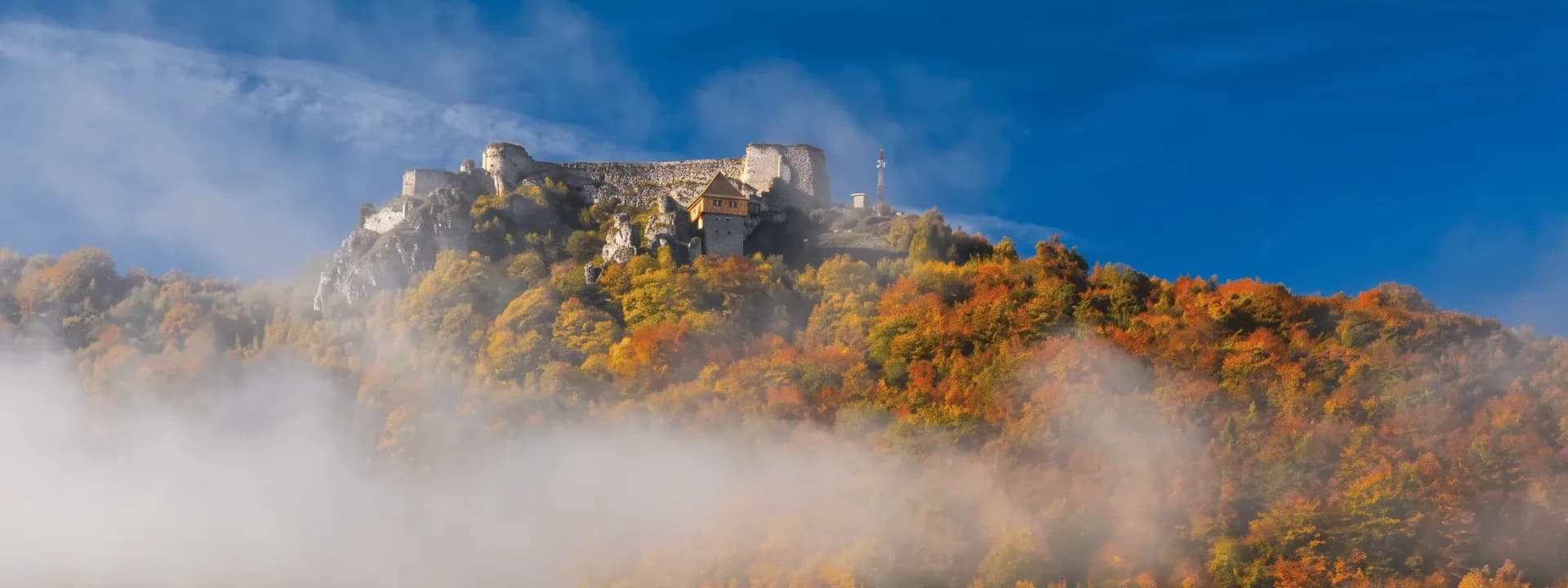
Stari grad Ostrovica is a large fortification on a steep hill above the left bank of the Una River near the settlement of Ostrovica, close to Kulen Vakuf in the municipality of Bihać. Located within Una National Park,…

Bihać
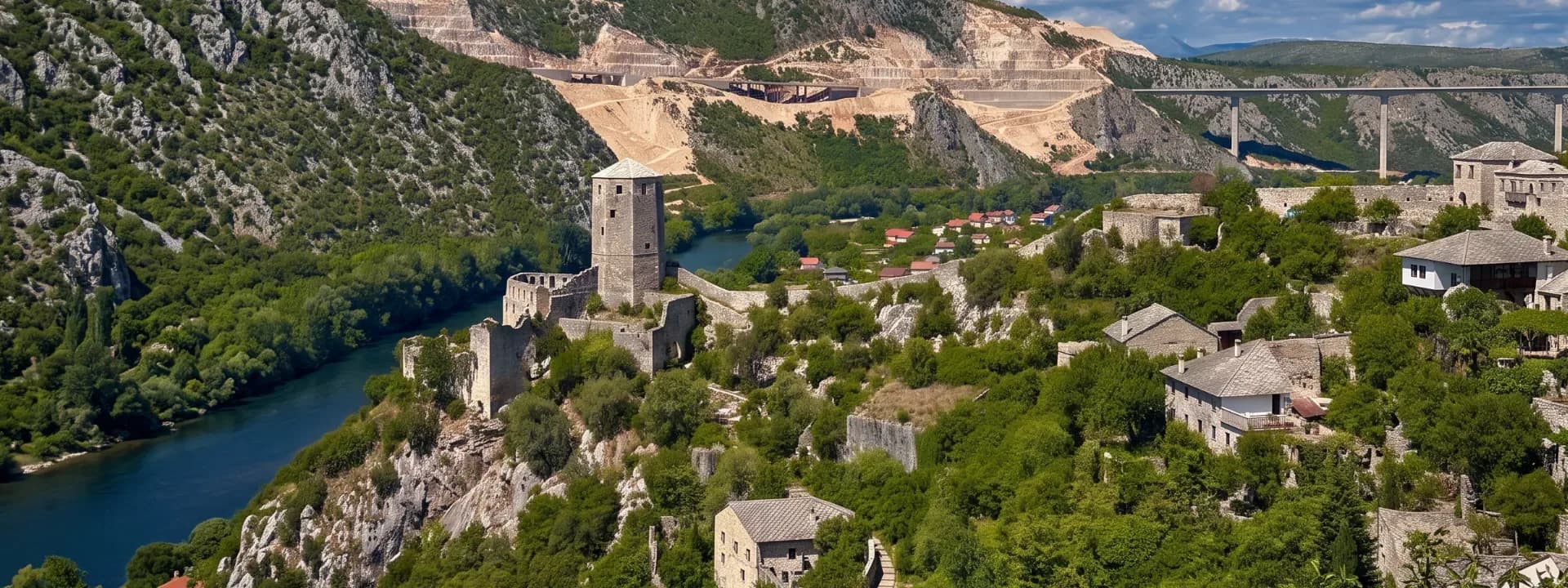
Perched on steep cliffs above the emerald Neretva, Počitelj is a fascinating open-air museum and one of the most important national monuments of Bosnia and Herzegovina. Its origins are linked to King Tvrtko I…

Bihać
The Church of St. Anthony of Padua is a unique feature of Bihać, as three churches dedicated to the same saint have developed on this site throughout history. The first church was built as early as 1266 in the Gothic…
What To See & Do
From medieval towers and historic mosques to turquoise rivers and powerful waterfalls — Bihać combines cultural heritage with some of Bosnia and Herzegovina's most spectacular scenery.
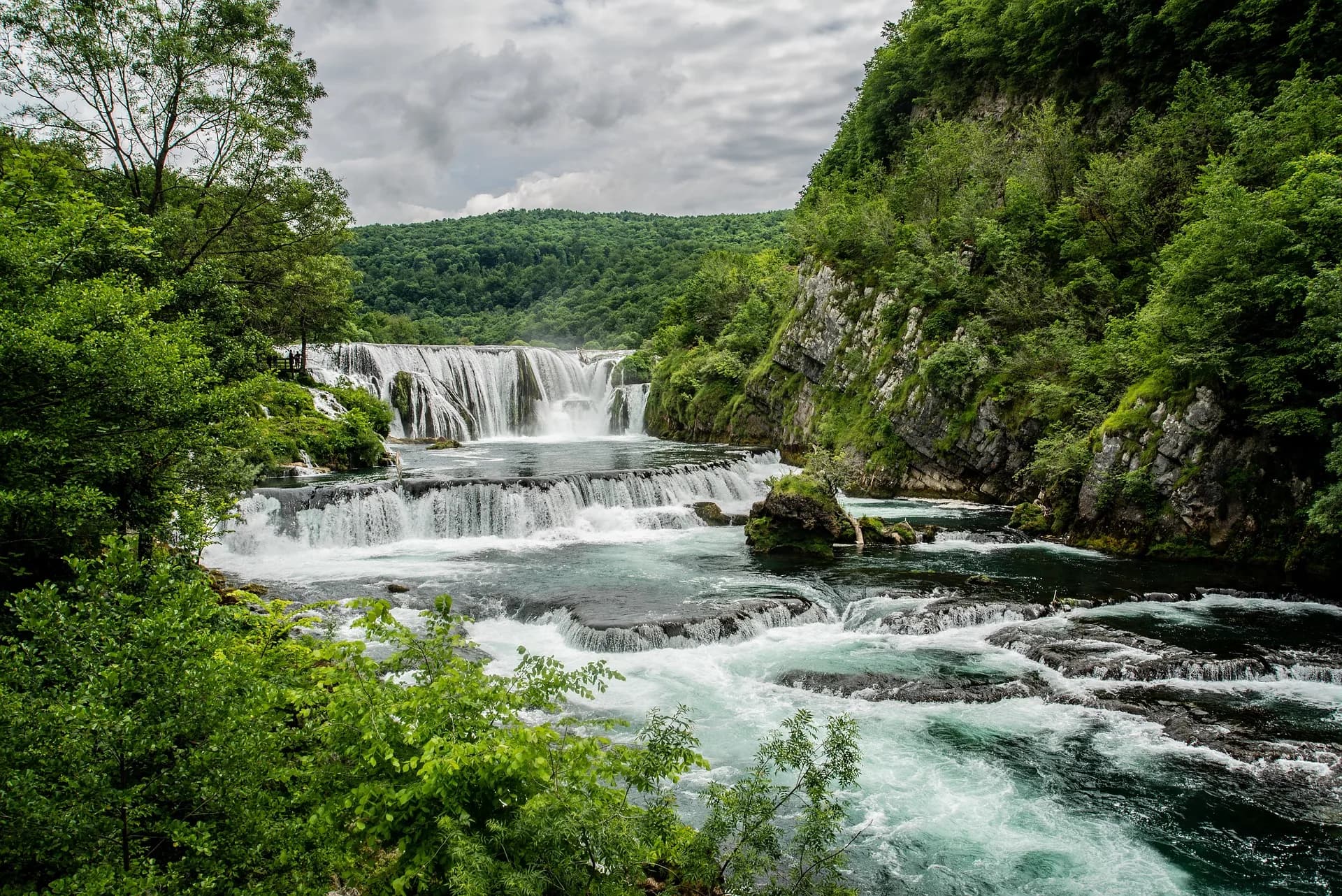
Una National Park is the natural highlight of the Bihać region and one of Bosnia and Herzegovina's most impressive protected areas. The park is famous for the exceptionally clear Una River, deep canyons, forests, waterfalls, traditional villages, and rich wildlife. Its two best-known attractions are Štrbački Buk and Martin Brod, both easily reached from Bihać. Štrbački Buk is the largest waterfall within the national park, with cascades reaching approximately 22 metres in height. Martin Brod offers a completely different landscape, with numerous smaller waterfalls, watermills, traditional houses, and the historic Rmanj Monastery. Visitors can explore the park on foot, by bicycle, or from the water through rafting and kayaking tours.
The Captain's Tower — Kapetanova kula is one of the most recognizable historical landmarks in the center of Bihać. Its exact construction date remains uncertain, although it is considered one of the city's oldest surviving buildings and formed part of Bihać's historic defensive system. Local legends even connect the tower with Hungarian-Croatian King Béla IV and the events that preceded Bihać receiving the status of a free royal town. Today, the tower houses part of the Museum of the Una-Sana Canton, where visitors can discover archaeological and historical objects connected with Bihać and the wider region.
Fethija Mosque is one of Bihać's most distinctive monuments and an unusual example of the city's multicultural history. The building was originally a medieval Catholic church dedicated to St. Anthony. Following the Ottoman conquest of Bihać in 1592, it was converted into a mosque and became known as Fethija, a name associated with conquest. Its Gothic architectural elements remain clearly visible today, making it one of the most interesting religious buildings in Bosnia and Herzegovina. Located in the center of Bihać, it stands as a reminder of the different historical periods that shaped the city.
Štrbački Buk is one of the most spectacular waterfalls in Bosnia and Herzegovina and a must-see attraction for anyone visiting Bihać. Located inside Una National Park, the waterfall consists of powerful cascades flowing over natural travertine barriers surrounded by dense forest. The largest section reaches approximately 22 metres in height, creating an impressive combination of turquoise water, white rapids, and untouched greenery. Viewing platforms and walking trails allow visitors to experience the waterfall from several perspectives, while the wider area is also popular for rafting.

History
Bihać was first mentioned in written documents on February 26, 1260, in a charter issued by the Hungarian-Croatian King Béla IV.
Only two years later, in 1262, Bihać received the status of a free royal town, giving it important rights related to trade and craftsmanship and helping the settlement develop into a significant commercial center. Bihać
During the Middle Ages, Bihać was an important fortified town positioned on major routes between Central Europe, Croatia, Bosnia, and the Adriatic region. Historical records indicate that the medieval city was surrounded by defensive walls and towers.
The Ottoman Empire captured Bihać in 1592, beginning a new period in the city's development. Churches, fortifications, mosques, residential areas, and other structures gradually shaped the multicultural appearance of the town.
One of the most interesting reminders of this transformation is the Fethija Mosque, originally constructed as the medieval Church of St. Anthony before being converted into a mosque following the Ottoman conquest. Bihać
After the Austro-Hungarian occupation of Bosnia and Herzegovina in 1878, Bihać underwent another period of modernization. New administrative buildings, roads, schools, and European architectural influences appeared throughout the city.
During the Second World War, Bihać also played an important political role and hosted the first session of AVNOJ in 1942.
Today, the city combines this layered history with a strong connection to the Una River and the natural landscapes surrounding it.

Practical Guide
Everything you need to plan the perfect Bihać trip.
Explore Bosnia & HerzegovinaBihać is one of the best destinations in Bosnia and Herzegovina for outdoor activities. The Una River provides excellent conditions for rafting, kayaking, canoeing, fishing, and swimming, while Una National Park offers hiking and cycling routes through forests, canyons, riverside landscapes, and traditional villages. Rafting is particularly popular on the upper Una, where clear water, rapids, waterfalls, and untouched scenery create one of the country's signature adventure experiences. The famous Una Regatta brings rafting crews and visitors together each year for a multi-day journey along the river and is one of the best-known tourism events associated with Bihać. Štrbački Buk, Martin Brod, Kulen Vakuf, and the surrounding countryside are excellent choices for day trips from the city.
Bihać's cuisine combines traditional Bosnian dishes with the flavours of the Krajina region. Local restaurants serve ćevapi, grilled meat, burek, homemade soups, stuffed vegetables, slow-cooked dishes, and freshly baked bread. Thanks to the Una River, fresh trout is one of the region's specialties and can be found at many riverside restaurants. Traditional Bosnian coffee and homemade desserts are a perfect way to finish a meal, especially on one of the terraces overlooking the river. During the warmer months, eating beside the Una while listening to the flowing water is an essential part of the Bihać experience.
Bihać has a relaxed but lively nightlife scene centered around the river and city center. During spring and summer, riverside cafés, restaurants, terraces, and bars stay busy well into the evening. The city also hosts concerts, cultural programs, outdoor events, and seasonal festivals, while major events such as the Una Regatta and Bihaćko ljeto bring additional energy to the city. Visitors looking for a quieter evening can simply walk along the Una, find a riverside café, and enjoy the illuminated bridges and city views. rn
Bihać offers accommodation for almost every type of traveller — from modern hotels and boutique properties to guesthouses, apartments, hostels, riverside cabins, and campsites. Staying in the city center is ideal for visitors who want restaurants, cafés, historical sights, and river walks within easy reach. Travellers primarily visiting Una National Park can also choose accommodation closer to Kulen Vakuf, Lohovo, Martin Brod, or other settlements along the Una. Whether you're coming for rafting, sightseeing, a weekend city break, or several days exploring northwestern Bosnia, Bihać makes an excellent base for discovering the entire Una region.