Fly2Balkan

The wine and olive heritage of Herzegovina

Čitluk, Bosnia & Herzegovina

Herzegovina is an area under the direct influence of the Adriatic Sea — the Mediterranean climate and rocky soil give the vineyards a unique character that cannot be replicated anywhere else. Here, the vine grows on…

Čitluk
City
6+ landmarks
Nearby
4 photos
Photos
The wine and olive heritage of Herzegovina 4 photos Čitluk· Bosnia & Herzegovina

About this landmark

The wine and olive heritage of Herzegovina

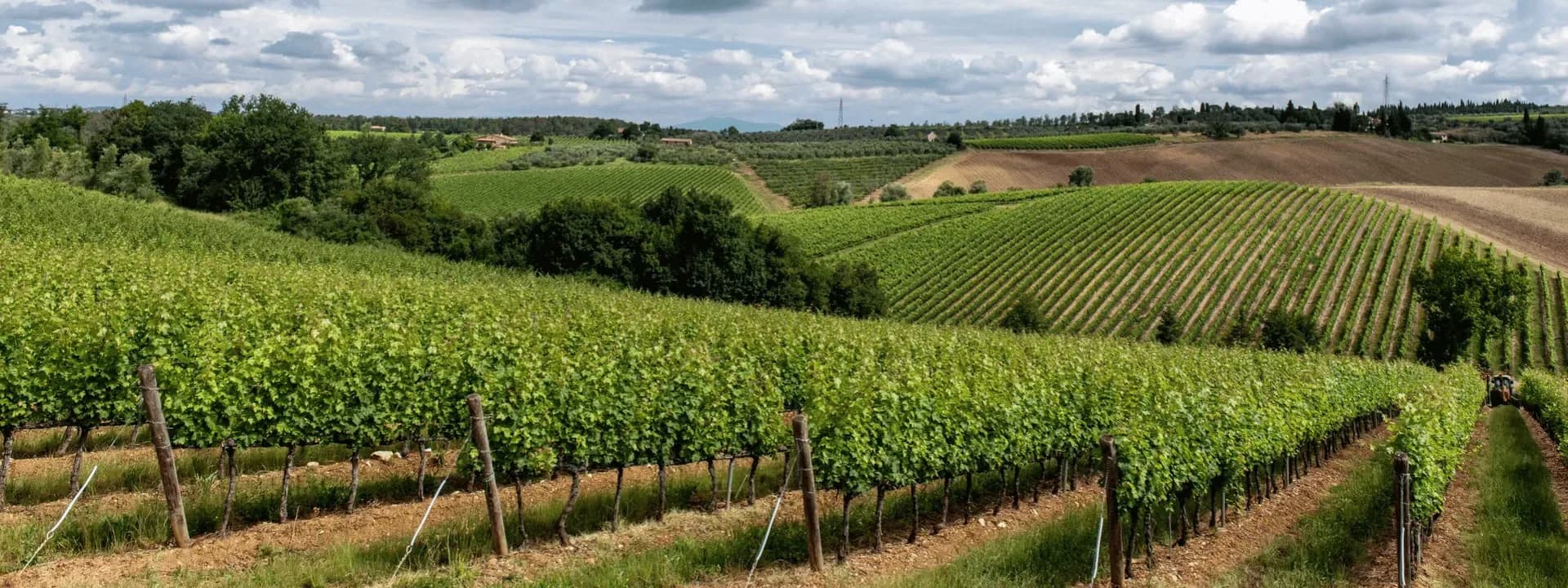
Herzegovina is an area under the direct influence of the Adriatic Sea — the Mediterranean climate and rocky soil give the vineyards a unique character that cannot be replicated anywhere else. Here, the vine grows on stone, under the strongest sun in all of BiH, and you can taste that in every sip. White Žilavka sings with notes of honey and apples, while red Blatina delights with its richness of berry and spice aromas — two indigenous varieties that are ambassadors of this country to the world. Walking through the Herzegovinian vineyards means walking through history — vines have been grown here since antiquity, and vineyards were mentioned in the writings of Byzantine emperors and Bosnian kings. With a glass of local wine, prosciutto, cheese and olives — Herzegovina doesn’t just give you a taste, it gives you a story.

Olives in Herzegovina are a family heritage. Trees that stand on rocky karst for decades, sometimes even centuries, produce oil whose flavor carries traces of the Mediterranean wind, dry stone and summer heat. From Čapljina to Trebinje, olive groves are part of a landscape that never changes — green-silver seas of leaves between white rocks and blue sky. To visit the olive-growing region of Herzegovina means to understand why people have always stayed here — a land that gives little, but what it gives, it gives perfectly.


Nearby

More landmarks in Čitluk

All landmarks in Čitluk

Čapljina

Apparition Hill Međugorje

Apparition Hill, located a few hundred meters above the hamlet of Podbrdo in Bijakovići, is considered the very heart of the Medjugorje events. According to the testimonies of the visionaries, this is the place where…

Explore landmark

Čapljina

Bunski kanali

The Buna Channels are a natural phenomenon on the Neretva River, formed by fluvial processes at the point where the Buna River flows into the Neretva, near the village of Buna, south of Mostar, along the M-17 main road…

Explore landmark
Natural Attractions

Čapljina

Čeveljuša Waterfall

Čeveljuša is a small but impressive waterfall on the Trebižat River, located in the village of Hrašljani a few kilometres from Ljubuški — a true hidden gem between its more famous neighbours, Kravica and Koćuša. At…

Explore landmark
Religious Sites

Čitluk

Church of Saint Apostle James

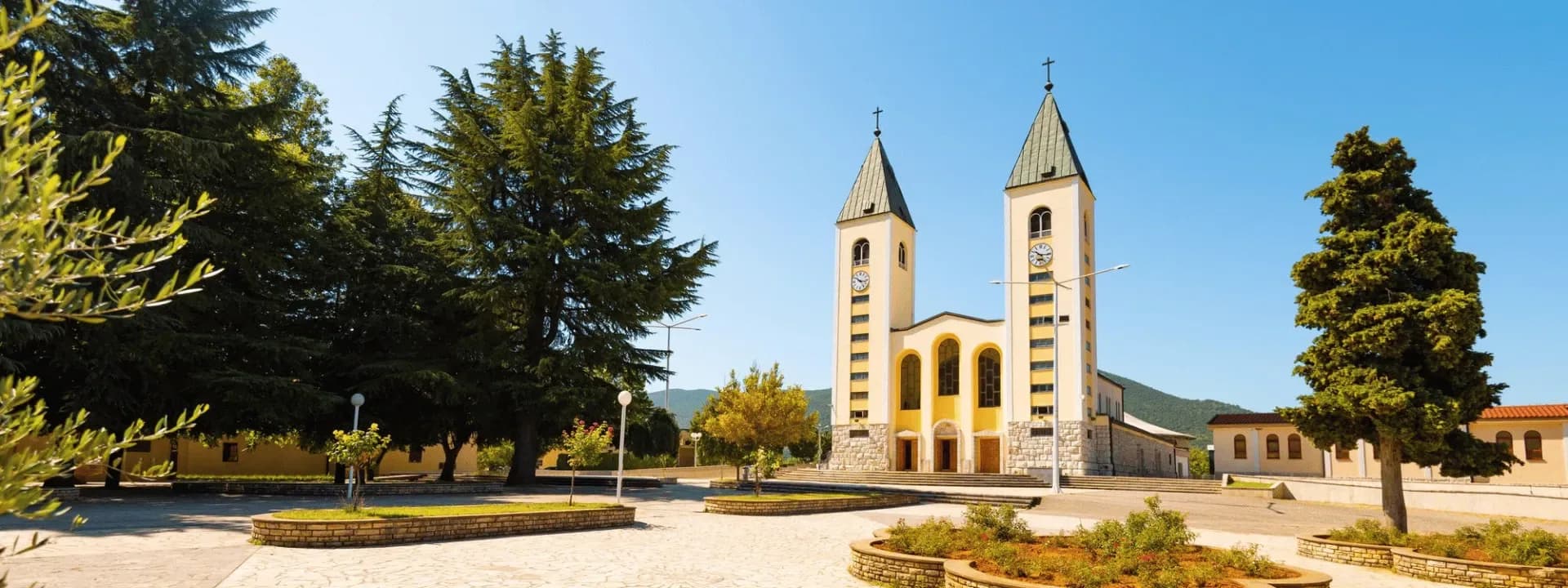
Church of St. James is the spiritual center of Međugorje and one of the most recognizable places in this world-famous pilgrimage destination. Built in the 20th century, the church dominates the area with its simple yet…

Explore landmark
Castles & Fortresses

Čapljina

Herceg Stjepan Fortress

Herceg Stjepan Fortress is the most monumental archaeological site in the municipality of Ljubuški and a true symbol of this town and all of Herzegovina. Located on top of the karst hill Buturovica at 396 metres above…

Explore landmark
Museums & Galleries

Čapljina

Humac Museum

The Museum in Humac, located within the Franciscan Monastery of St. Anthony of Padua just 2 km southwest of Ljubuški, is the oldest museum in Bosnia and Herzegovina — founded in 1884 thanks to the vision and dedication…

Explore landmark
Six countries. Your own journey.

Let’s plan your Balkan trip.

A few details now. An itinerary shaped around you.

  1. 1Travellers & days
  2. 2Destinations
  3. 3Your details

Who’s coming, and for how long?

Start with your group size and your ideal trip length.

Ages 18 and over
Ages 0–17
Number of days
Step 1 of 3