

Discover Croatia
A little closer toTrogir.
UNESCO island town with medieval streets and Adriatic charm
- Population
- River
- Founded
- Best Time
- Airport
About Trogir
Trogir
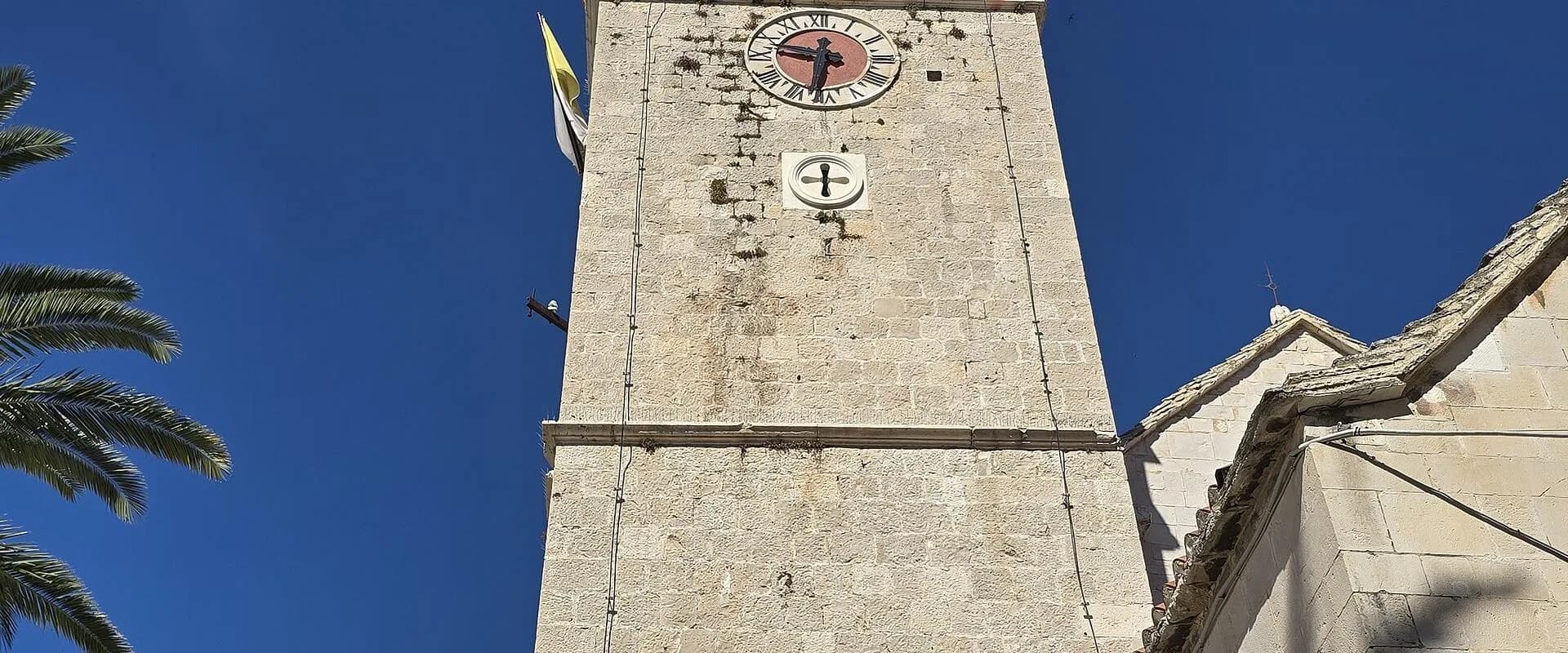
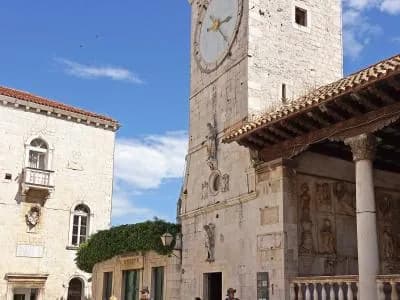
Other highlights include the Kamerlengo Fortress, a 15th-century Venetian stronghold that now hosts concerts and cultural events, and the Cipiko Palace, a blend of Gothic and Renaissance styles, which stands across from the cathedral. The Town Loggia, with its relief by Ivan Meštrović, is a prominent historical landmark in the main square. The town’s lively squares, such as John Paul II Square and the waterfront Riva, are lined with cafes, restaurants and shops, which creates a vibrant atmosphere day and night. The North Gate, the Land Gate, leads into the old town across a bridge, and the Church of St. Sebastian with its clock tower stands by the square. The St. Dominic Monastery and its church hold altarpieces and tombs. The Green Market and local bakeries offer a taste of Dalmatian flavors, while art galleries and museums show the region’s history and creativity.
Trogir’s location makes it a gateway to the Adriatic. The town’s marina is a hub for sailing, boat tours and excursions to nearby islands, beaches and coves. Popular activities include swimming, snorkeling and kayaking in the clear water, as well as cycling and hiking in the surrounding hills. Day trips to Split, Krka National Park and the islands of Čiovo, Drvenik and Šolta are easily arranged by boat or car. The Riva is a pleasant place in the evening, with the Kamerlengo lit up and the sea reflecting the lights.
Other places of interest lie within a short distance. The Kaštela, a string of seven small coastal settlements, each with a fortified manor, spreads between Trogir and Split, and Čiovo has quiet beaches and small villages. For those who like hiking, the hills of Kozjak rise behind the town.
Cultural life in Trogir is vibrant, with summer festivals, open-air concerts and traditional events filling the calendar. The town’s restaurants serve fresh seafood, Dalmatian specialties and local wines, best enjoyed with a view of the sunset over the harbor. Accommodation options range from boutique hotels and guesthouses to private apartments and campsites, catering to all budgets and preferences.
What To See & Do
Top sights in Trogir
St. Sebastian’s Church and Clock Tower
15th-century plague vow church with clock tower
Town Loggia
Historic Loggia featuring Petar Berislavic relief
Cipiko Palace
13th-century palace with Gothic-Renaissance blend
Kamerlengo Fortress
15th-century Venetian fortress with coastal views
North Gate (Land Gate)
15th-century North Gate with Gothic saint statue
St. Dominic Monastery
13th-century Gothic monastery with tranquil cloisters
St. Lawrence Cathedral (Cathedral of St. Lovro)
Romanesque-Gothic cathedral with Renaissance bell tower
Trogir Promenade (Riva)
Palm-lined waterfront with yachts and historic views
History & heritage
The story of Trogir
Trogir’s history stretches back to the 3rd century BCE, when it was founded by Greek colonists as Tragurion. Over the centuries the town flourished under Roman, Venetian and Hungarian rule, each leaving a mark on its architecture and culture. The center of Trogir is its old town, a maze of winding alleys, stone houses and hidden courtyards surrounded by medieval walls and towers. The town’s centerpiece is the Cathedral of St. Lawrence, also called the Cathedral of St. Lovro, a masterpiece of Romanesque-Gothic architecture with a portal by Master Radovan, finished in the 13th century and decorated with figures of Adam and Eve and scenes from daily life, and with a bell tower that offers panoramic views of the city and sea. The climb is narrow but short, and the view is among the best on the Dalmatian coast.
What is the best time to visit Trogir for warm weather and festivals?
The best time to visit is from late June to late August, when the weather is hot, the sea is warm, and festivals are in full swing. Alternatively, May, June, and September offer milder temperatures and fewer crowds for sightseeing and hiking.
How can I reach Trogir from Split Airport?
Split Airport is located just 5 kilometers away, making Trogir an easy arrival point for international visitors. The town is also accessible by road from Split and other regional centers via regular buses, with ample parking available near the old town.
What are the main historical landmarks in Trogir's old town?
The centerpiece is the Cathedral of St. Lawrence, featuring a Romanesque-Gothic design and a portal by Master Radovan. Other highlights include the 15th-century Kamerlengo Fortress and the Gothic-Renaissance Cipiko Palace.
What activities are available for water sports and island exploration?
The marina serves as a hub for sailing, boat tours, and excursions to nearby islands like Čiovo, Drvenik, and Šolta. Visitors can enjoy swimming, snorkeling, and kayaking in the clear Adriatic waters.
How should I navigate the old town and access nearby beaches?
The compact layout of the old town is best explored on foot. For nearby beaches and islands, you can use local ferries and water taxis.
Currency
EUR
Language
Croatian